

BSA Reform Push, UAE's $30M Stablecoin Deal, Coinbase Retail Volume Falls 35%
House subcommittee weighs Bank Secrecy Act overhaul as UAE clears a $30M DDSC stablecoin transfer and Coinbase retail trading volume sinks 35% in Q1.
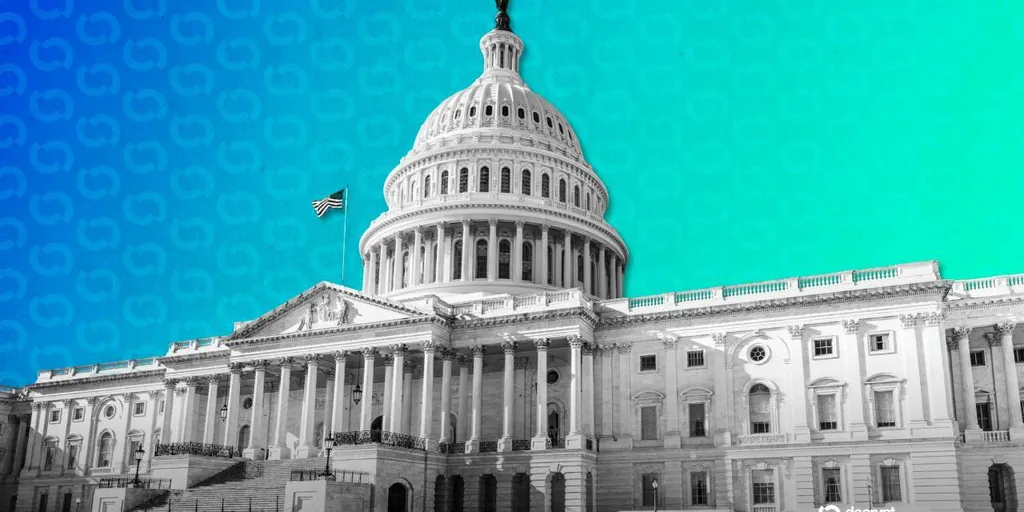
The House Financial Services Committee's National Security subcommittee convened on Thursday to weigh whether the half-century-old Bank Secrecy Act can still police modern financial crime. Industry executives, policy researchers, and national security analysts testified that the 1970 statute is structurally unfit for an era defined by AI-enabled fraud and digital asset flows. Witnesses cited recent figures showing North Korean state actors stole more than $2 billion in digital assets during 2025 and an additional $600 million in early 2026, while pig butchering networks drained over $35 billion from American victims last year. Calls ranged from full repeal to targeted modernization with stronger information-sharing.
The hearing landed just two days after President Trump signed an executive order broadening BSA customer due diligence requirements, instructing financial institutions to flag accounts tied to undocumented immigrants. The expansion sharpens a long-running debate over whether the act should be refocused on actionable intelligence or scaled back to reduce reporting volume. Crypto firms, banks, and civil liberties advocates have aligned on reform that emphasizes information-sharing across regulators and the private sector, while critics warn the broader mandate risks turning compliance teams into immigration enforcement adjuncts. Lawmakers signaled appetite for legislation but offered no unified blueprint after the testimony concluded.
Retail enthusiasm for crypto trading is visibly fading as institutional capital reshapes order books. Consumer trading volume on Coinbase fell roughly 35% sequentially during the first quarter, and activity on retail-favored layer-2 networks such as Base has continued to contract. Veteran hobbyists describe muted volatility, underwater altcoin portfolios, and the politicization of digital assets as reasons to rotate toward equities and real-world asset strategies. Market makers and asset managers acknowledge the shift, noting individual traders historically chased outsized swings — precisely the conditions Wall Street's growing dominance of Bitcoin flow has compressed.
International Holding Company executed a 110 million dirham transfer worth roughly $30 million using the DDSC stablecoin on the ADI Chain, marking one of the largest disclosed stablecoin settlements in the United Arab Emirates. The deal followed central bank approval for the dirham-backed token, which was launched jointly by IHC, First Abu Dhabi Bank, and Sirius International Holding. DDSC settles on ADI Chain, a layer-2 blockchain built by the ADI Foundation for institutional use cases spanning cross-border payments, treasury operations, and trade settlement. The participants signaled future development of payment corridors linking the Middle East with global markets.

Earlier in the month, Crypto.com secured a Stored Value Facilities license from the UAE central bank, allowing residents to pay Dubai government fees in digital assets through its platform. The approval slots the exchange into Dubai's cashless government payments program and underscores how regulated stablecoin and exchange infrastructure are advancing in parallel. BNY also partnered with Finstreet and the ADI Foundation in May to build institutional digital asset custody in Abu Dhabi, with initial coverage for Bitcoin and Ether across cold wallet infrastructure and a planned expansion into stablecoins and tokenized securities later this cycle.
Kraken disclosed on Thursday that it received preliminary approval from Dubai's Virtual Assets Regulatory Authority, extending the licensed footprint of major exchanges in the emirate. The clearance arrives alongside continued enforcement pressure elsewhere, as policy researchers urge Congress to channel anti-money laundering resources toward tracking sophisticated state-backed crypto theft. Analysts highlighted that combined illicit flows from sanctioned regimes and consumer-targeted scams now eclipse the operational budgets of dedicated enforcement units. The Emirates' pace contrasts with the slower legislative cadence in Washington, where regulatory clarity for stablecoins, custody, and on-chain compliance remains the central debate among lawmakers and industry counsel.
Two narratives are converging this cycle. Regulators in the Gulf are pushing licensed infrastructure into mainstream banking workflows, while United States lawmakers grapple with how to retrofit Cold War-era statutes for AI-driven illicit finance. Underneath both threads, retail participation is thinning out as institutional desks set the tempo — a transition that delivers regulatory cover and capital depth at the cost of the volatility hobbyists once chased. Whether the resulting market favors compliance-heavy DeFi rails or further entrenches centralized custody, the dominant story is institutionalization meeting modernization on two distinct continental fronts.
Related Tags
AI-generated, AI-reviewed, under COINOTAG editorial oversight.