

Clarity Act Faces 100+ Amendments, Ledger Pauses $4B IPO, Coinbase x402 Adds Batch Settlement
Clarity Act faces over 100 amendments at Senate markup, Ledger pauses $4B US IPO, Coinbase x402 adds batch settlement, and Farage probed over $7M crypto gift.
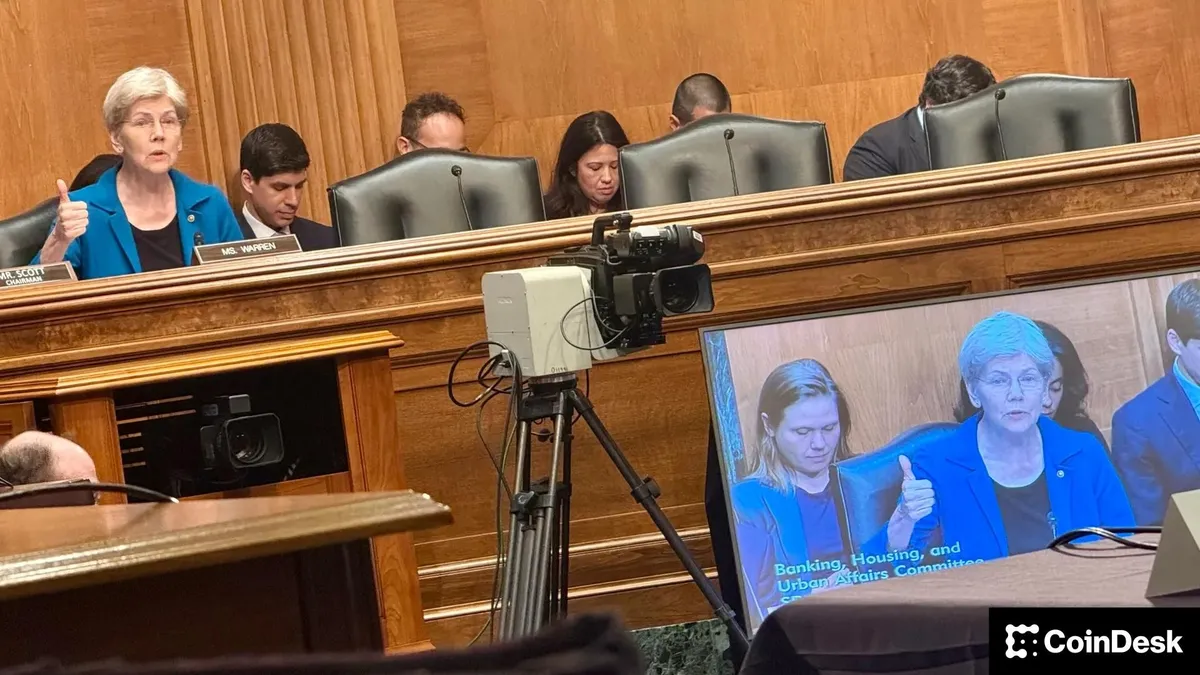
The Digital Asset Market Clarity Act is heading into a pivotal Senate Banking Committee markup with more than 100 proposed amendments on the table, most of which are unlikely to survive Thursday's vote. Democratic Senators Elizabeth Warren and Jack Reed lead the slate of revisions, ranging from tighter restrictions on stablecoin yields to a full removal of the Blockchain Regulatory Certainty Act, which protects non-custodial software developers from money-transmitter rules. Each amendment will receive a simple majority vote, and Republican committee members are expected to push the bill forward without major overhauls. The hearing is the first serious Senate test of US crypto market structure legislation, including a clear jurisdictional split between the SEC and the CFTC, with most digital assets classified as commodities. The outcome will shape the operating rules for exchanges, custodians and DeFi protocols for years.
French hardware-wallet maker Ledger has shelved its planned US listing, with people familiar with the matter saying the firm has not filed a draft S-1 with the Securities and Exchange Commission. The company had been positioning for a public offering valued at around $4 billion, with Goldman Sachs, Jefferies and Barclays previously named as advisors. Persistent volatility in digital asset markets, softer token prices and uneven investor appetite for crypto issuers have pushed Ledger to weigh private capital alternatives instead. The pause echoes Kraken's earlier delay despite a confidential SEC filing and the rocky public-market debut of BitGo, which now trades roughly 36% below its January IPO price. Ledger's cold wallet business remains the backbone of the company.
Industry voices are urging the Senate to seize the moment after the House passed the CLARITY Act with strong bipartisan support, arguing that Washington has spent enough years studying digital assets to act decisively. A recent HarrisX national survey found 70% of registered voters believe federal crypto legislation is overdue, 62% want the United States to set the global rules for digital finance, and 60% prefer clear statutes over case-by-case enforcement. Advocates point to a maturing industry, formal SEC-CFTC coordination through a 2026 memorandum of understanding, and a more disciplined policy dialogue with lawmakers. They contend that delay would cede ground to Europe and Asia, where comprehensive frameworks for token markets are already in force.
A new editorial vision for the next decade frames the second half of the 2020s as a generational inflection point for Bitcoin. The argument: macroeconomic upheaval, fragmenting institutions and geopolitical realignment are creating space for neutral, apolitical monetary infrastructure to scale. Contributors envision Bitcoin moving deeper into sovereign reserves, corporate treasuries and everyday payment rails, while warning that complacency could waste a once-in-a-generation opening. The thesis frames the 2026 to 2036 horizon less as a price-target exercise and more as an organizing question about whether builders and holders push the network toward productive use or settle for passive speculation. The narrative aligns with the rising institutional accumulation visible across this cycle.

Reform UK leader Nigel Farage is now subject to a Parliamentary Standards Commissioner inquiry over an undeclared 5 million pound (about $6.7 million) gift from crypto billionaire Christopher Harborne. Farage maintains he had no obligation to register the donation because it was received before his 2024 election to the Commons, while Conservative lawmakers argue disclosure should have followed once he became an MP. The Electoral Commission is weighing whether to open its own formal probe. The case intensifies UK scrutiny of crypto-linked political financing, following separate Reform disclosures of a $4 million Harborne donation in Q4 2025 and a record $12 million gift the prior quarter. A parliamentary committee has already urged a moratorium on crypto political donations.
Coinbase rolled out batch settlement for the x402 payment protocol, designed to make sub-cent transactions economically viable for autonomous AI agents on the blockchain. Buyers deposit ERC-20 tokens into onchain escrow and sign offchain vouchers per request, which sellers later redeem in bundled onchain settlements. The upgrade follows Amazon Web Services integrating x402 to let AI agents make USDC payments on Base and Solana without holding private keys. Base creator Jesse Pollak said the protocol now supports payments below $0.0001 for compute and inference workloads. In its first year, x402 processed more than 169 million payments across 590,000 buyers and over 100,000 sellers, with TypeScript and Go support live and Python imminent.
The thematic arc binding these stories is the collision between regulatory tightening and infrastructure maturation. Washington is finally moving market structure through committee, the UK is policing crypto-linked political money, and Vietnam is preparing a Q3 launch of its own regulated exchange framework. At the same time, capital-markets sentiment has cooled enough to push Ledger, Kraken and other issuers off public-market timelines, while operating businesses like Coinbase keep shipping payment rails for AI-native commerce. The dominant narrative this cycle is consolidation: weaker speculative flows, stronger institutional plumbing, and governments racing to codify rules before the next leg of adoption rather than after it.
AI-generated, AI-reviewed, under COINOTAG editorial oversight.