

ETF News
Crypto news, in-depth analysis and latest market developments tagged ETF. The COINOTAG editorial desk keeps the archive continuously updated.
On This Page
20
Related Topics
5
Last Updated
September 21, 2026 at 04:03 AM UTC
For developments across every coin and topic, browse the crypto news archive, or follow the breaking news feed for real-time updates.
Latest Articles
20 articles
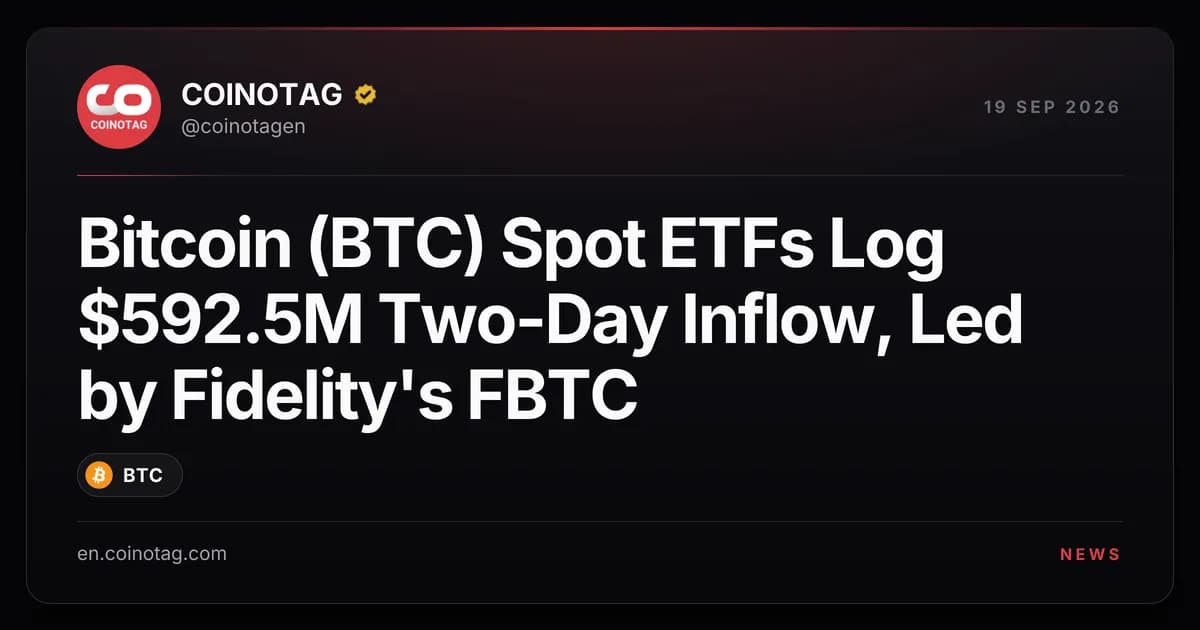
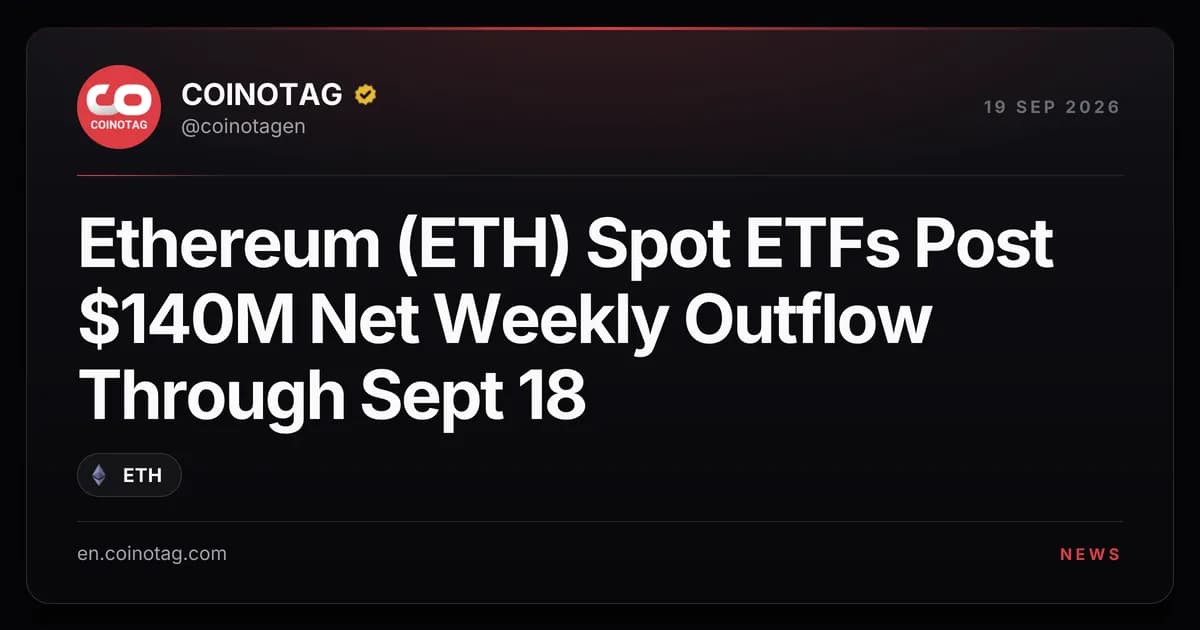
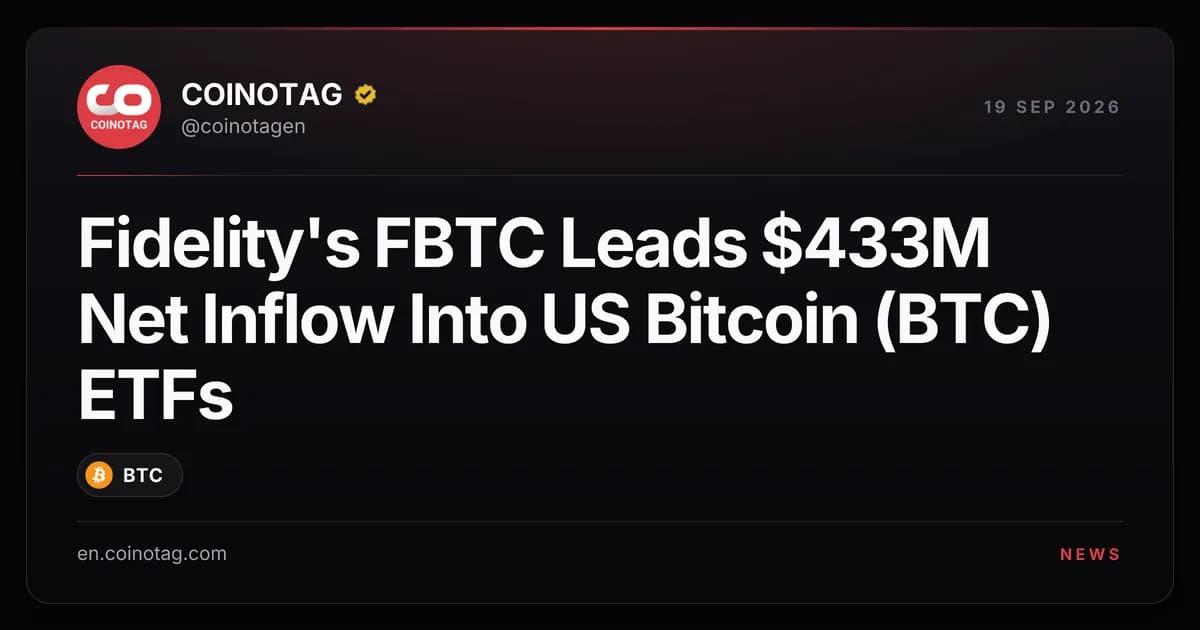
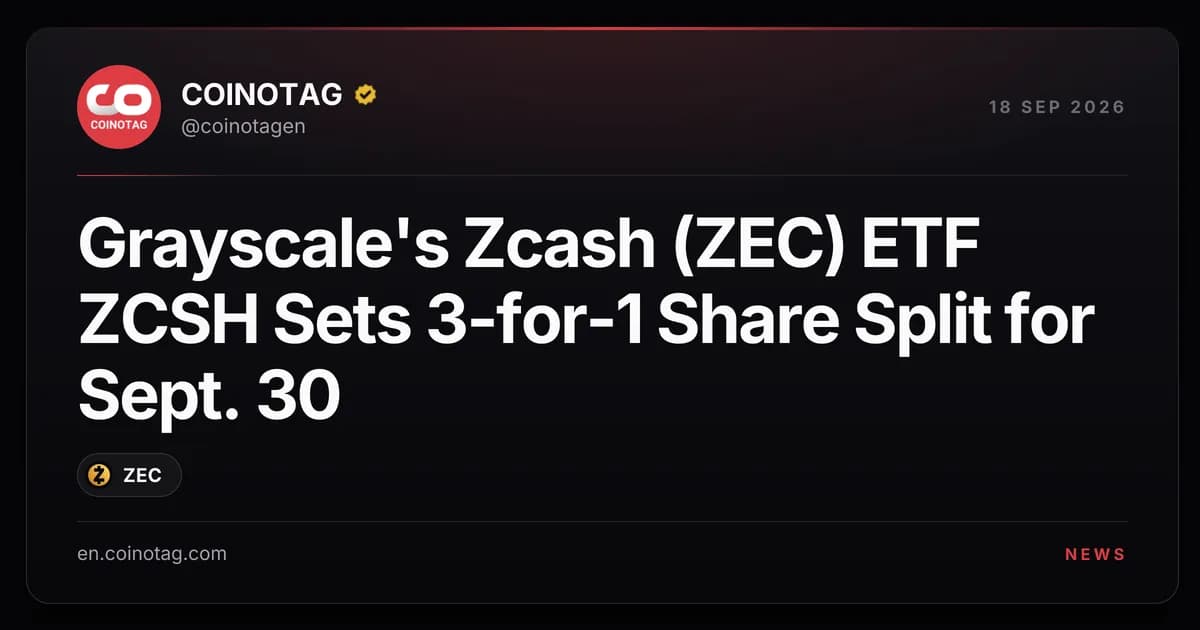
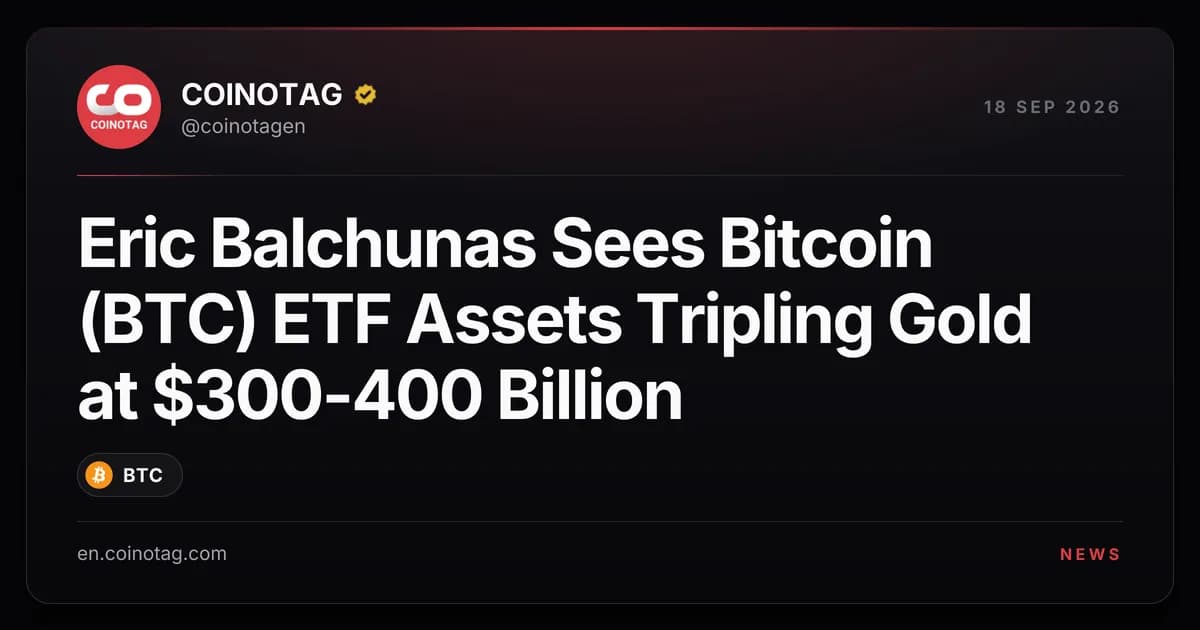
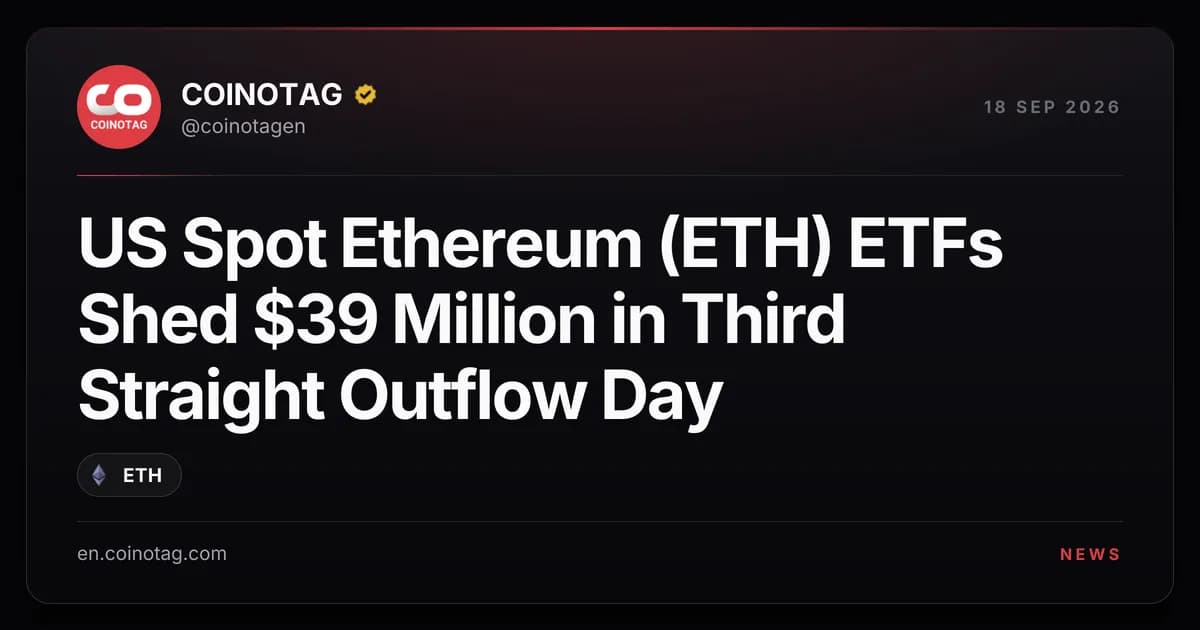
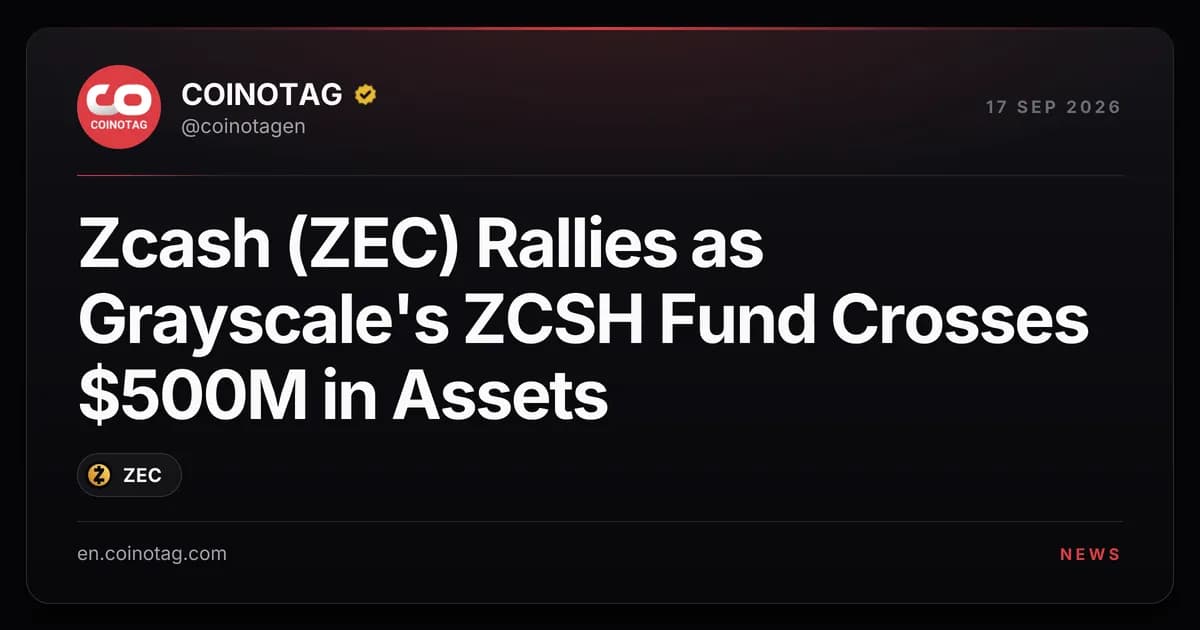
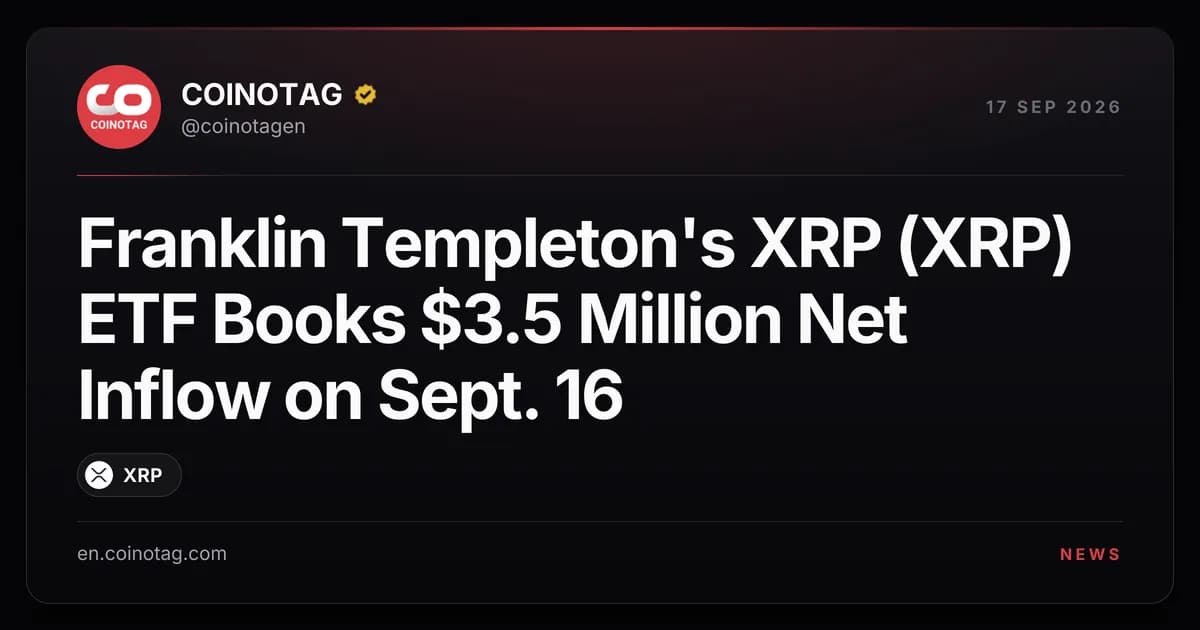
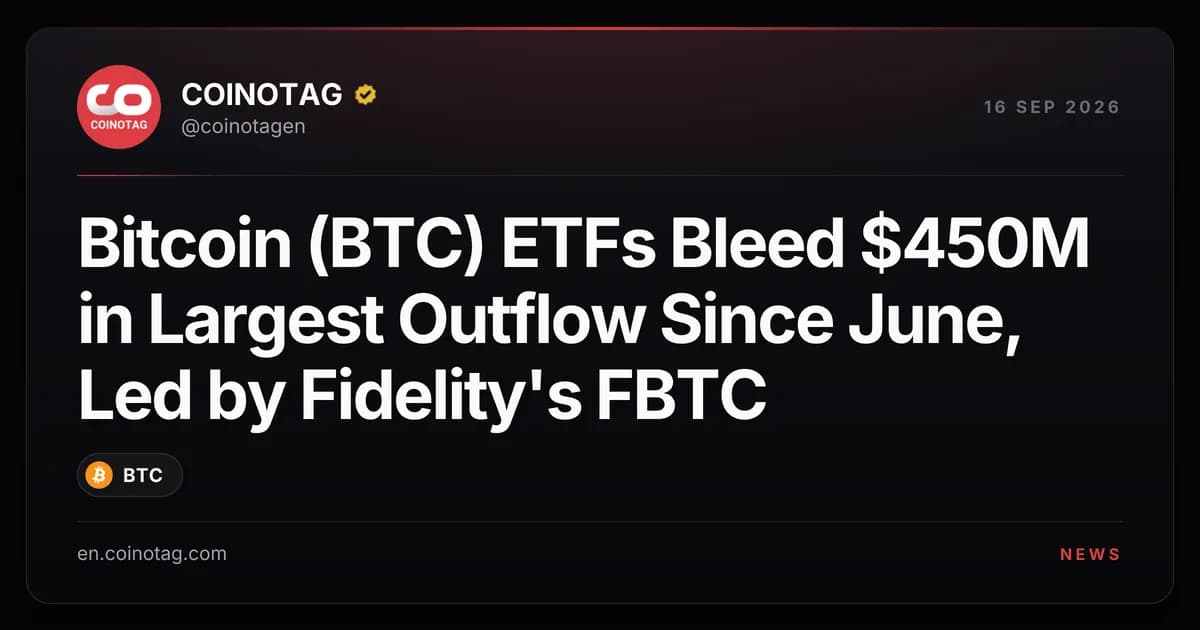
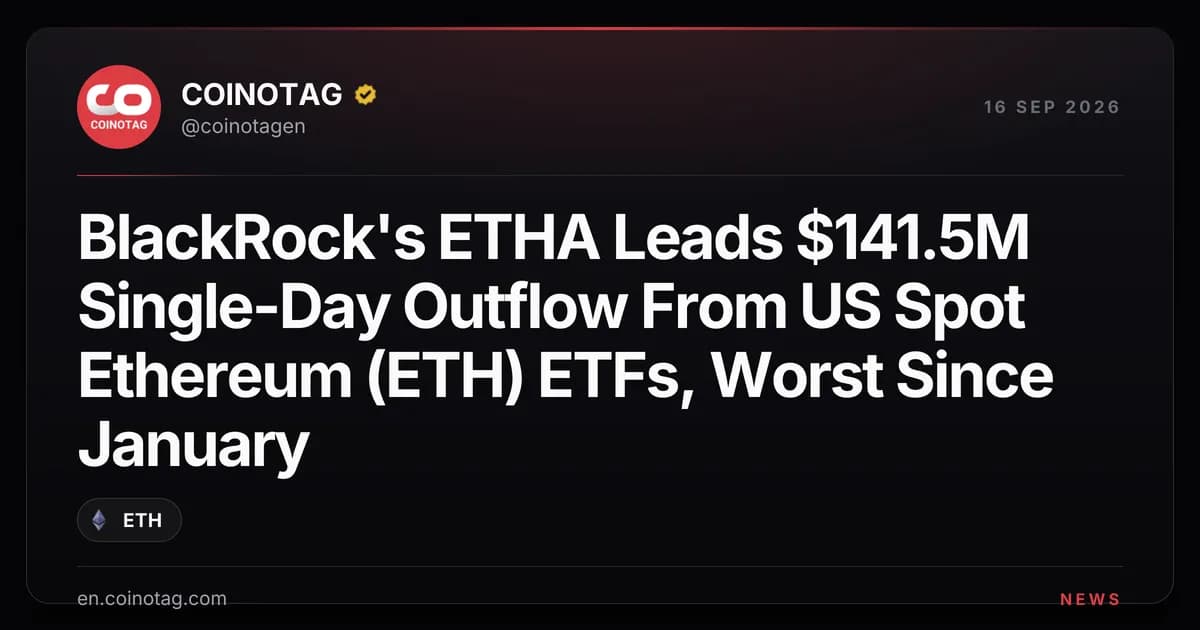
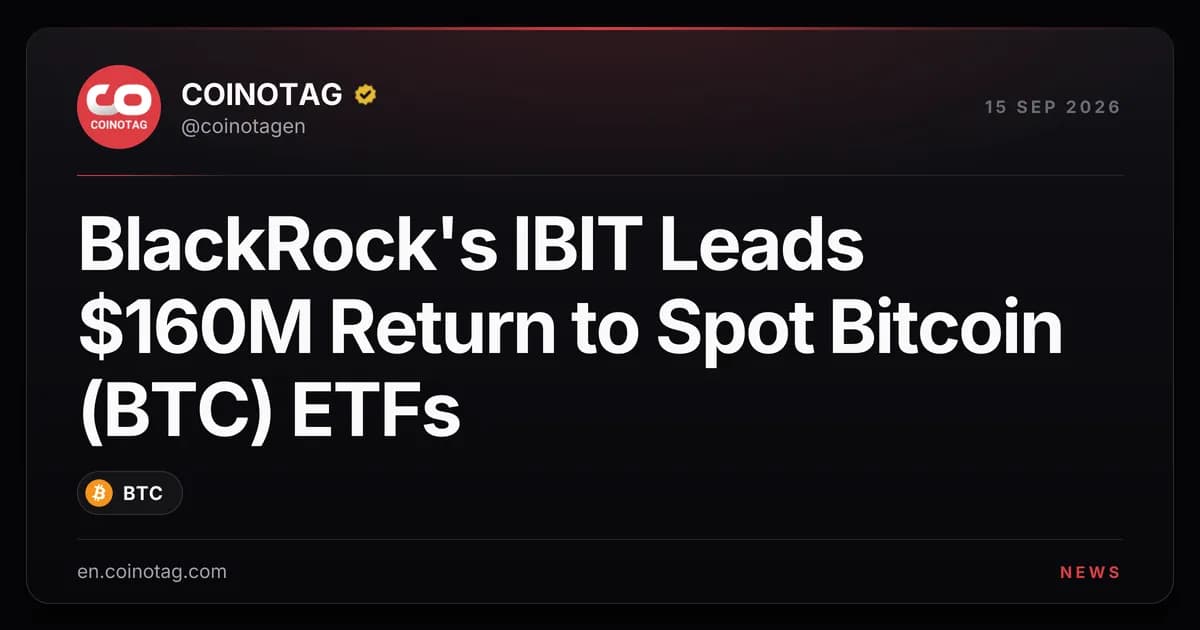
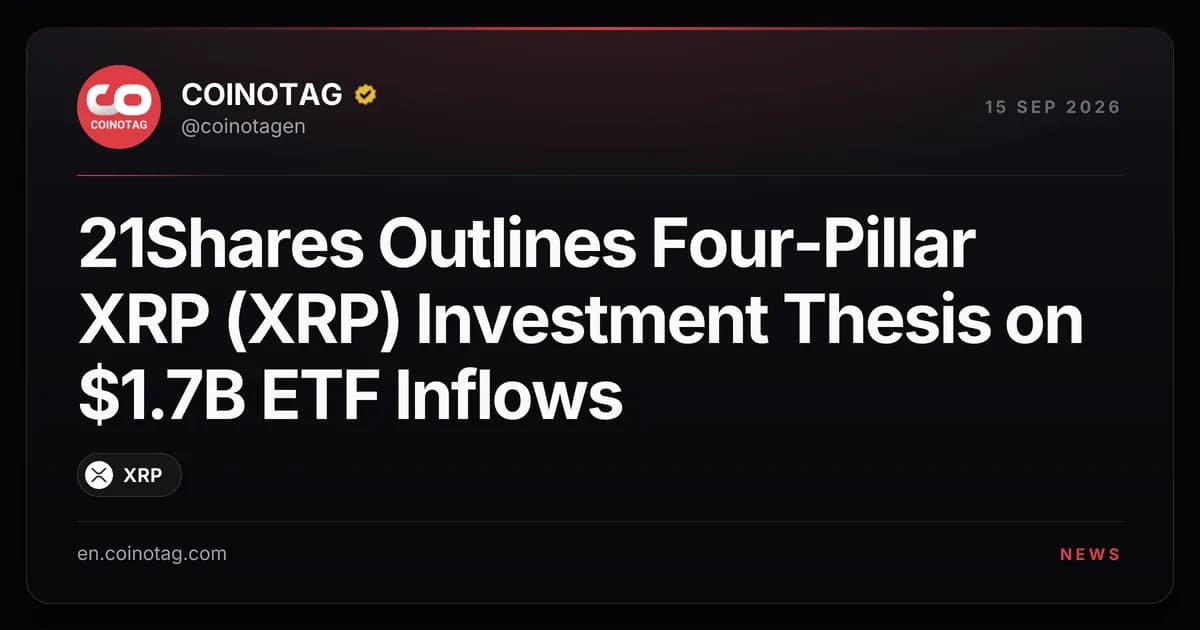
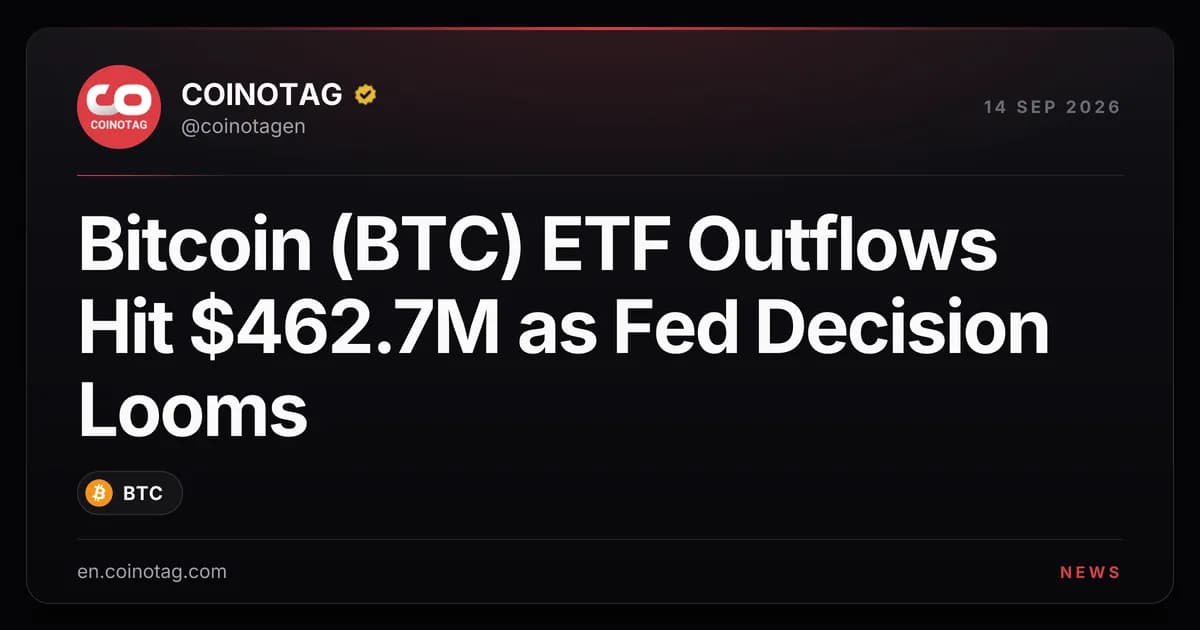
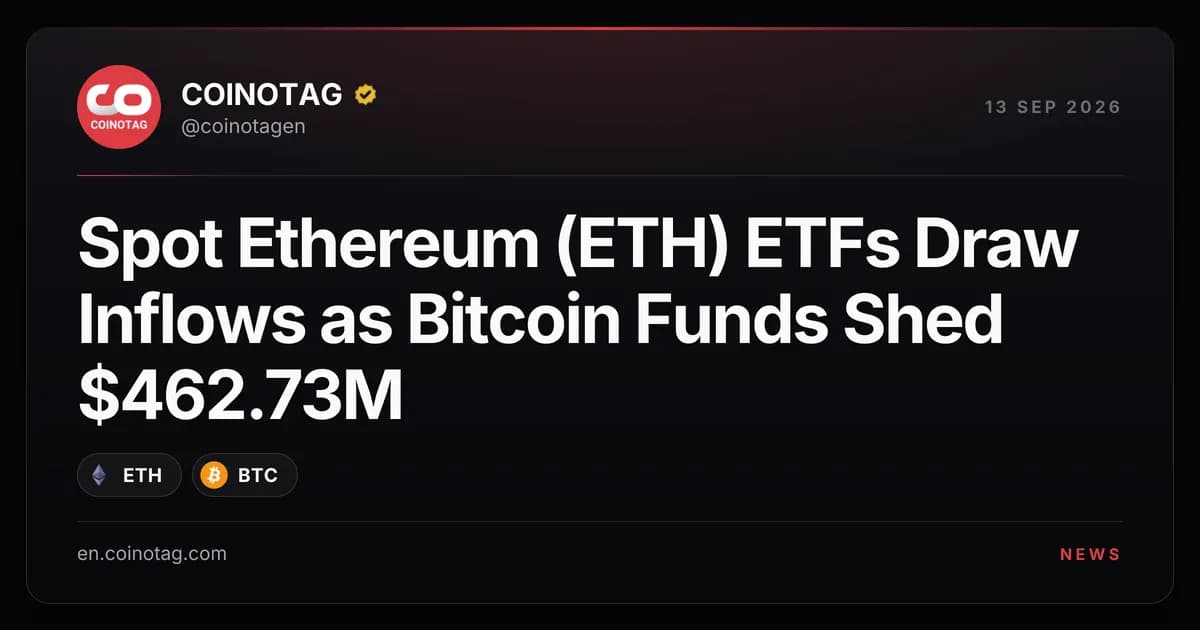
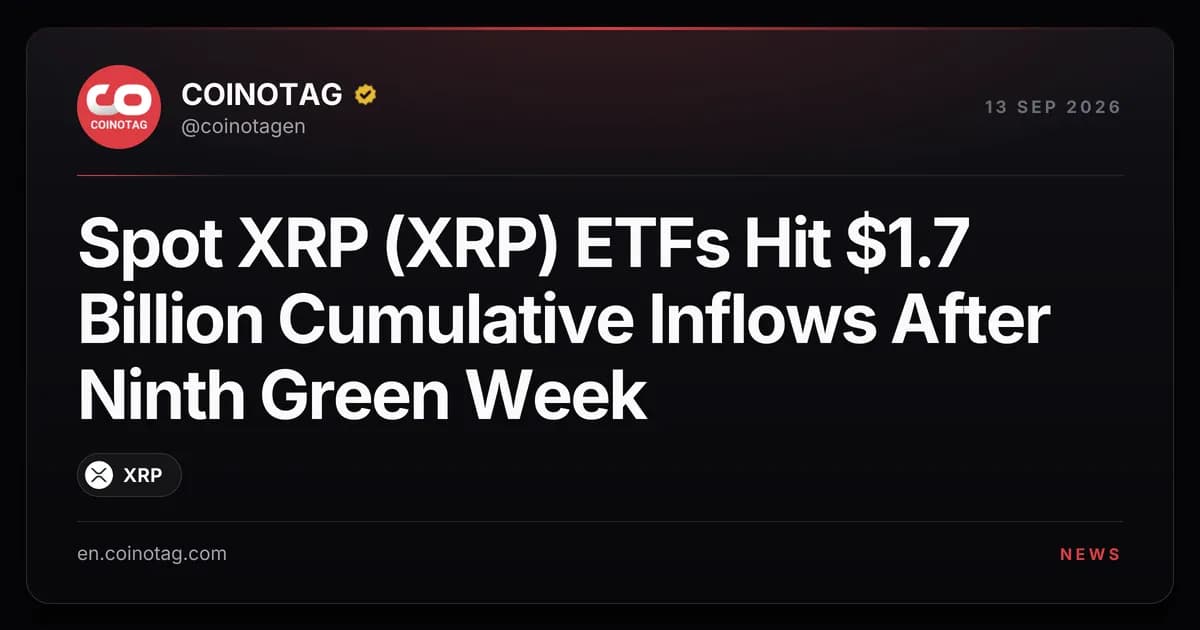
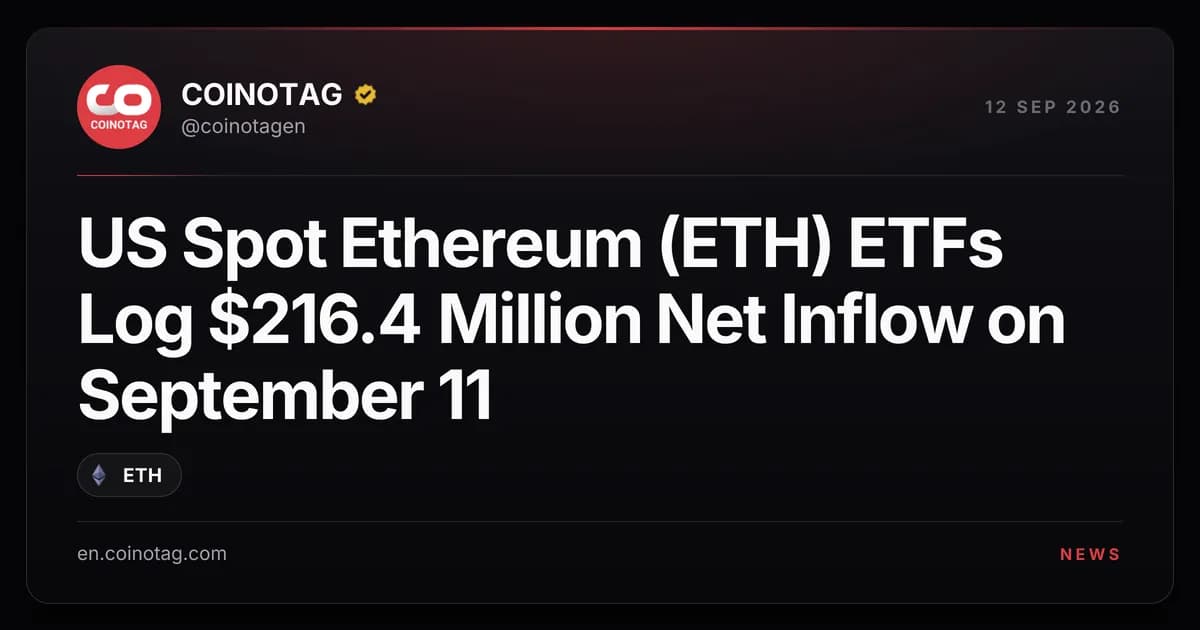
About ETFShow more
A crypto ETF (Exchange-Traded Fund) is a regulated investment product that tracks the price of one or more digital assets and trades on traditional stock exchanges, allowing investors to gain exposure to cryptocurrencies like Bitcoin or Ethereum without directly holding the underlying tokens, managing private keys, or interacting with crypto exchanges. The arrival of the spot Bitcoin ETF in January 2024, followed by the spot Ethereum ETF in July 2024, marked a structural turning point for the asset class, opening the door to pension funds, registered investment advisors, and institutional allocators who previously faced compliance hurdles when accessing crypto markets. A spot crypto ETF holds the actual underlying asset in cold storage with regulated custodians, while a futures-based ETF gains exposure through derivatives contracts on regulated venues such as the CME, and each structure carries different cost profiles, tracking errors, and tax implications. The ETF wrapper has become a central liquidity gateway between traditional finance and the broader crypto ecosystem, influencing on-chain flows, derivatives markets, and even narratives around adoption in adjacent sectors such as DeFi and AI & Crypto, where tokenized assets and decentralized infrastructure increasingly intersect with regulated capital. Daily ETF net inflows and outflows are now closely watched indicators alongside on-chain metrics, often correlating with Bitcoin's price action and overall market sentiment. From a research standpoint, the ETF category extends beyond BTC and ETH to proposed Solana, XRP, and multi-asset basket products under regulatory review, each carrying distinct risk-reward profiles. COINOTAG covers the ETF landscape with a focus on filings, approvals, flow data, custodian disclosures, and the macro implications for crypto market structure, helping readers separate durable institutional signal from short-term speculative noise.
Frequently Asked Questions
What is a crypto ETF and how does it work?
A crypto ETF is an exchange-traded fund that tracks the price of one or more cryptocurrencies and trades on a traditional stock exchange like the NYSE or Nasdaq. A spot crypto ETF, such as a spot Bitcoin ETF, holds the actual underlying asset in regulated cold storage through a qualified custodian, and the fund issues shares that investors can buy and sell through ordinary brokerage accounts. The share price closely tracks the underlying asset's market price through an authorized participant arbitrage mechanism that creates and redeems shares as needed. Futures-based ETFs, by contrast, do not hold the asset directly but instead gain exposure through standardized futures contracts traded on regulated derivatives exchanges. For investors, the ETF wrapper eliminates the need to manage wallets, private keys, or exchange accounts, while still offering price exposure within a familiar regulatory and tax framework.
Are crypto ETFs legal and approved by the SEC?
Yes, spot Bitcoin ETFs were approved by the US Securities and Exchange Commission (SEC) in January 2024, and spot Ethereum ETFs received approval in July 2024, both trading on major US exchanges. Before these approvals, only Bitcoin futures ETFs were available in the US starting in October 2021. Internationally, crypto ETFs and exchange-traded products (ETPs) have been available for years in jurisdictions like Canada, Switzerland, Germany, and Brazil, often with broader asset coverage. The SEC continues to review applications for additional crypto ETFs covering assets such as Solana, XRP, and multi-asset baskets, with each filing subject to standards around market surveillance, custody, and investor protection. Regulatory status varies significantly by country, so investors should verify local rules before allocating capital to any specific product.
How can I buy a Bitcoin or Ethereum ETF?
You can buy a spot Bitcoin or Ethereum ETF through any standard brokerage account that offers access to US-listed equities, including major platforms like Fidelity, Charles Schwab, Interactive Brokers, and Robinhood. The process is identical to buying a regular stock: you search for the ticker symbol (such as IBIT, FBTC, ARKB, or ETHA), specify the number of shares and order type, and execute the trade during market hours. Some ETFs are also available within retirement accounts like IRAs and 401(k)s, which can offer tax advantages depending on your jurisdiction. Expense ratios vary by issuer, typically ranging from around 0.20% to 1.50% annually, and these fees are deducted automatically from the fund's net asset value. Always review the prospectus, custodian arrangements, and total cost of ownership before purchasing.
What is the difference between holding Bitcoin directly and buying a Bitcoin ETF?
Holding Bitcoin directly through a self-custody wallet or a crypto exchange gives you full ownership of the underlying asset, allowing you to transfer, spend, or use the BTC in DeFi protocols at any time, with no recurring management fees beyond network transaction costs. However, self-custody requires careful management of private keys and security practices, and exchange-held coins carry counterparty risk. A spot Bitcoin ETF, on the other hand, gives you price exposure without operational complexity, with custody, security, and compliance handled by regulated institutions, and shares can be held in tax-advantaged accounts in many jurisdictions. The trade-offs are clear: direct ownership offers sovereignty and utility but demands technical responsibility, while the ETF offers convenience and regulatory clarity in exchange for ongoing management fees and the inability to use the underlying BTC outside the fund.
How do ETF inflows and outflows affect the crypto market?
Daily net flows into and out of spot crypto ETFs have become a closely watched indicator of institutional demand and overall market sentiment. When ETFs report sustained net inflows, authorized participants must acquire the underlying asset on spot markets to create new shares, which can absorb available supply and contribute to upward price pressure, particularly when retail and on-chain demand is also strong. Conversely, periods of net outflows can coincide with redemption-driven selling pressure on the underlying asset. Analysts track flow data alongside on-chain metrics such as exchange reserves, miner balances, and stablecoin supply to build a more complete picture of supply and demand dynamics. While ETF flows are not the sole driver of price, they have emerged as a structurally significant variable in the post-2024 crypto market, especially during macro events, regulatory announcements, and broader risk-on or risk-off cycles in traditional finance.