

Minnesota Approves Bank Crypto Custody as F2Pool Founder Set for SpaceX Mars Flyby
Minnesota empowers state banks to offer crypto custody as deposit flight pressures lenders; SpaceX names F2Pool co-founder Chun Wang for Mars flyby.

Minnesota has cleared the way for state-chartered banks and credit unions to provide digital asset custody, a legislative move designed to halt deposit flight to out-of-state crypto exchanges. Governor Tim Walz signed the measure authored by Rep. Bernadette Perryman, who argued that local institutions had been losing dollars that would otherwise fund small business lending, mortgages, and community development. Industry leaders said the change is no longer a matter of consumer curiosity but commercial relevance. With Wall Street firms expanding aggressively into custody, settlement, and tokenization, Minnesota's framework positions community lenders to retain customer deposits and compete for digital asset business inside state borders.
A widely cited Jefferies report estimates that privately issued digital dollars could trigger a 3% to 5% runoff in core deposits at U.S. banks over five years, trimming average earnings by roughly 3%. The conclusion landed at a moment when stablecoins and tokenization dominated discussions at Consensus 2026, with policymakers and bankers weighing how on-chain dollars reshape settlement and treasury operations. Local lenders interpret the math as a clear warning: dollars that migrate to crypto exchanges rarely return as local credit. The Jefferies modeling underpins arguments from state legislators that custody authority is essential to keeping community banking viable through the next cycle.
SpaceX has named Chun Wang, co-founder of one of Bitcoin mining's most influential operations, to command its first crewed Mars flyby. The reveal aired during Starship V3's first launch attempt, which was ultimately scrubbed. No target window has been disclosed for the Mars trajectory or for a lunar precursor flight, but Wang has been preparing publicly for months. Speaking from Bouvet Island in a pre-recorded video, he framed the roughly two-year mission as a way to make Mars feel reachable rather than as a substitute for an eventual landing. The crew composition has not been finalized.
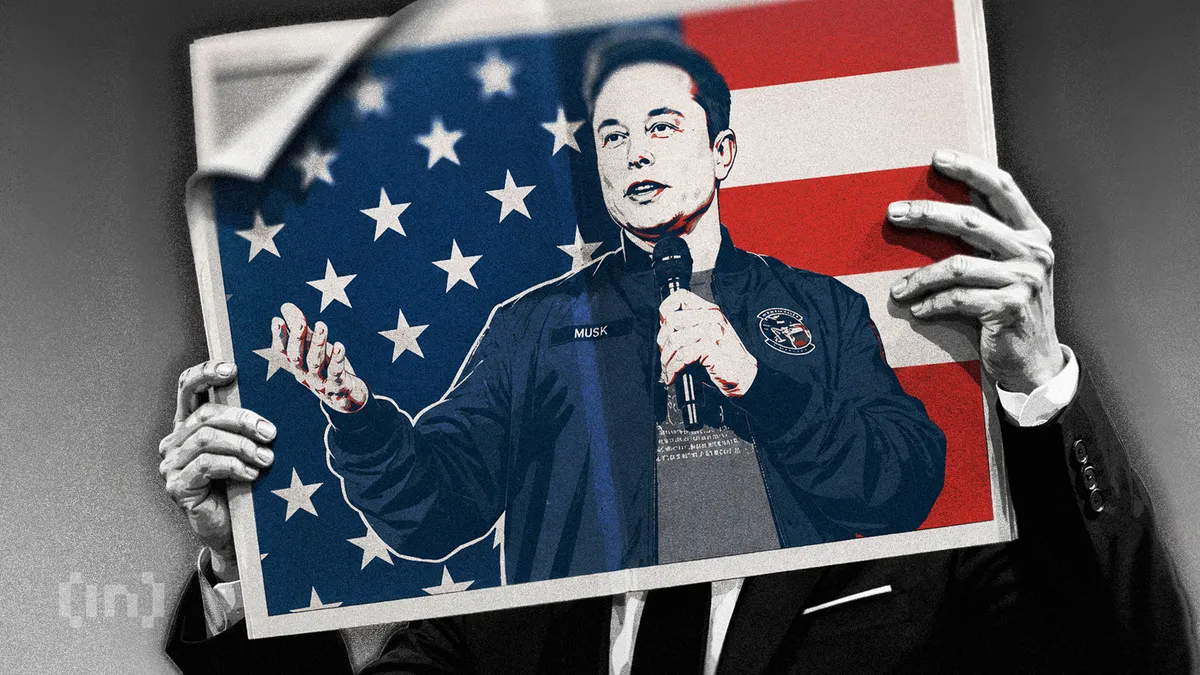
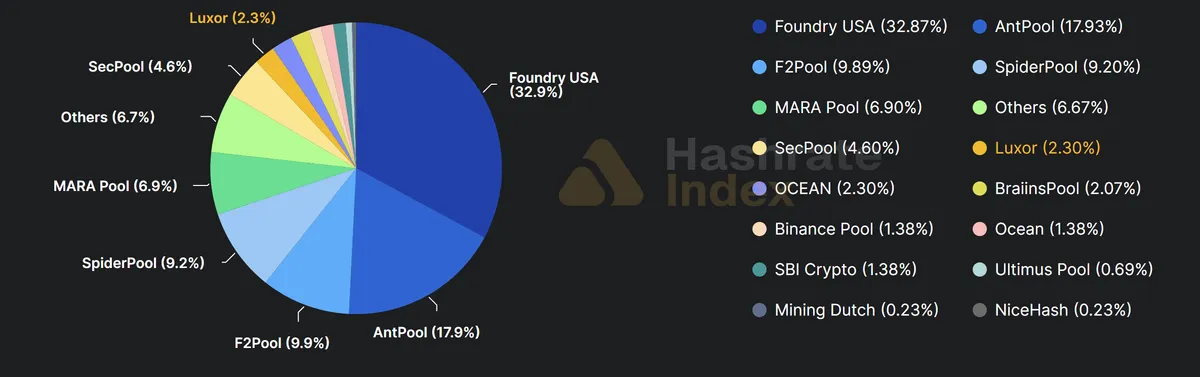
Wang co-founded F2Pool in 2013, and the operation still claims roughly 10% of total Bitcoin blockchain hashrate. The figure feeds an ongoing debate about consensus mechanism health, since four pools dominate block production in the post-halving environment. Critics argue the concentration weakens the network's censorship resistance, while supporters note that miners can redirect hash power between pools quickly when incentives shift. Wang retains ties to F2Pool while diversifying into private spaceflight and other ventures. The pool's continued share underscores how early mining fortunes built during Bitcoin's lower-difficulty era now finance ambitions that stretch far beyond cryptocurrency.
Wang's interplanetary push extends a playbook he established with Fram2, the 2025 mission that placed the first crewed flight over Earth's polar regions and made him the first Maltese citizen in space. He financed and commanded that all-civilian voyage by selling part of his Bitcoin holdings, demonstrating how mining wealth can convert directly into space-program funding. The pattern echoes earlier SpaceX disclosures linking corporate cold wallet transfers to broader treasury management. Each successive mission moves Wang closer to a transparent template: private capital generated on-chain underwriting hardware that previously belonged exclusively to national space agencies and a small group of billionaires.
Wall Street's deepening crypto exposure is reshaping competitive dynamics across U.S. banking. Major institutions are racing to launch tokenization platforms and stablecoin rails, framing the technology as critical for next-generation payments and 24/7 settlement. Smaller lenders worry that without custody and on-chain capabilities, they will be unable to serve clients who increasingly hold Bitcoin and other digital assets alongside traditional accounts. Recent industry surveys indicate that regional banks evaluating crypto products cite competitive pressure as the primary driver, ahead of new revenue. The result is a regulatory environment where state-level licensing frameworks like Minnesota's may determine whether local finance survives the transition.
The dominant narrative tying these threads together is institutional capture of crypto infrastructure. Whether in Minnesota's defensive legislation, Jefferies' deposit-flight modeling, or a mining billionaire underwriting interplanetary travel, the same pattern emerges: capital and capability generated inside the DeFi and mining economies are now reshaping balance sheets, settlement systems, and even space programs traditionally reserved for sovereign players. The cycle's defining question is no longer whether digital assets matter to regulated finance, but which jurisdictions and institutions adapt fastest. Those who delay, the data suggests, risk ceding both deposits and relevance to faster-moving competitors at scale.

AI-generated, AI-reviewed, under COINOTAG editorial oversight.