

Senate Advances CLARITY Act 15-9, CME to Launch Crypto Index Futures, DPRK Steals $2B
Senate Banking Committee advances CLARITY Act 15-9, CME unveils Nasdaq Crypto Index futures for June 8, and North Korea hackers steal over $2B in 2025.
The US Senate Banking Committee voted 15 to 9 on Thursday to advance the Digital Asset Market Clarity Act, marking a pivotal step toward federal regulatory clarity for digital asset companies. All 13 Republican members were joined by Democrats Ruben Gallego and Angela Alsobrooks, while nine Democrats voted against. Lawmakers debated more than 100 amendments covering stablecoin yield, ethics restrictions, and consumer protection guardrails. Committee chair Tim Scott framed the bill as protecting consumers and safeguarding national security, while ranking member Elizabeth Warren denounced it as industry-written legislation. The measure now heads to a Senate floor vote, where it will require 60 votes for passage before moving to the House.
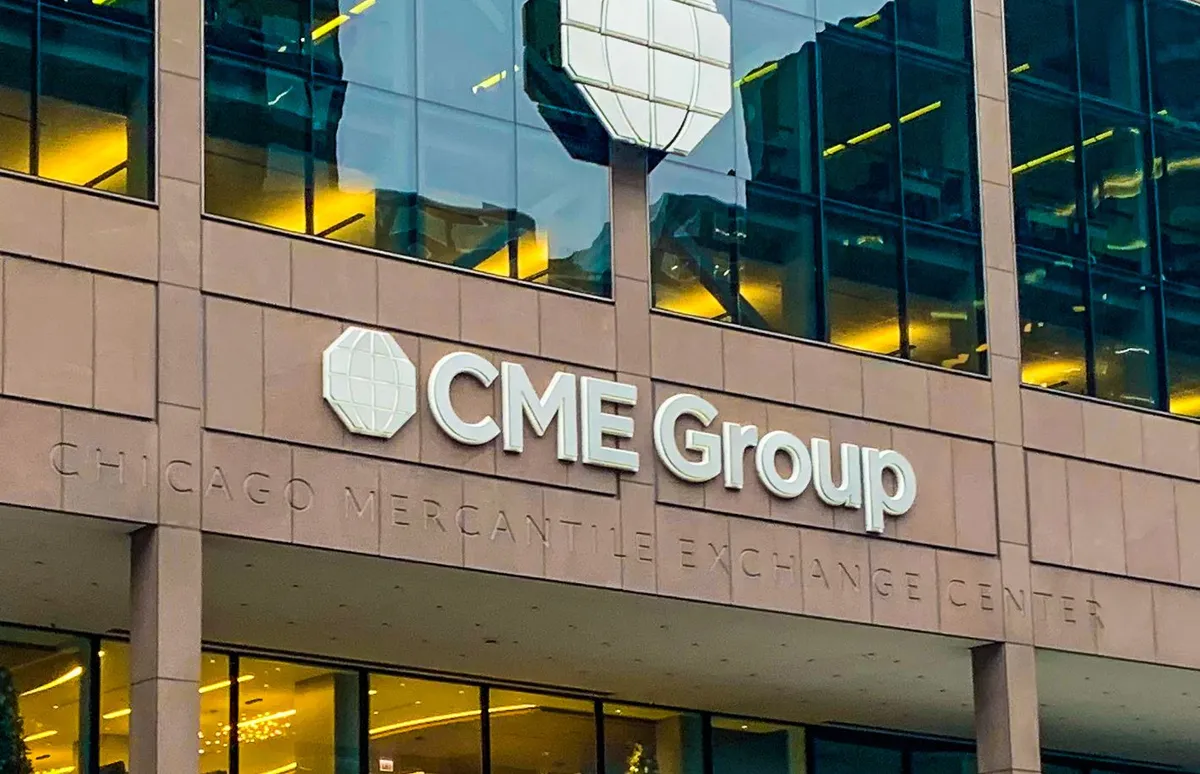
CME Group plans to launch its first market-cap-weighted Nasdaq CME Crypto Index futures on June 8, pending regulatory approval. The cash-settled contracts will track a basket of seven leading tokens including Bitcoin, Ether, Solana, XRP, ADA, LINK and XLM, available in both micro and standard sizes. Executives cited a 43% year-to-date increase in average daily trading volume across the exchange's crypto suite, which has now surpassed $7.3 trillion in lifetime notional value. The launch deepens CME's positioning as the institutional hub for altcoin derivatives pricing, a segment that now represents nearly 80% of global digital asset activity.
North Korea state-affiliated hackers were responsible for more than $2 billion in cryptocurrency losses in 2025, a 51% year-over-year increase despite fewer overall attacks, according to a newly released threat landscape report. DPRK-nexus adversaries pivoted toward fewer but higher-value targets, prioritizing Web3 projects and exchanges where stolen funds can be laundered with greater anonymity than in traditional banking. Stolen proceeds almost certainly fund the regime's weapons programs. Earlier this year, the Ethereum Foundation identified roughly 100 DPRK-backed operatives embedded across blockchain projects, and the Solana-based decentralized exchange Drift Protocol disclosed infiltration by North Korean IT workers it had vetted for six months.
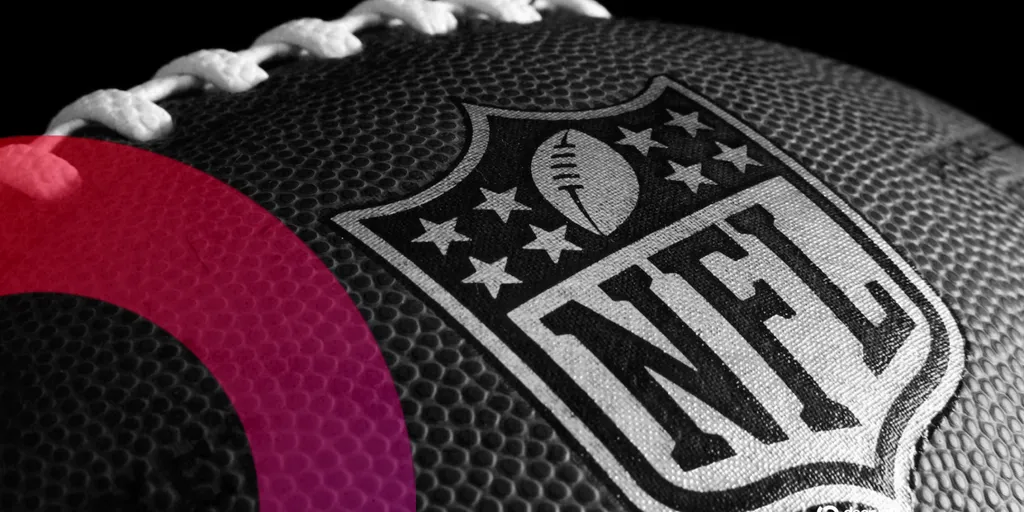
Dapper Labs is halting primary issuance of NFL All Day NFTs while simultaneously announcing a renewed licensing agreement with the league, with further details expected closer to the next season. Existing collectibles remain tradeable on the platform's marketplace, and the firm introduced a 'Founding Collector' label plus a 5% rebate program tied to one-year holding periods. CEO Roham Gharegozlou said the company still views culturally significant digital goods as a major future asset class, but the abrupt announcement drew sharp criticism from collectors who watched secondary offers remain active throughout the news, prompting accusations that some buyers were left holding suddenly devalued assets while insiders cashed out.
A US federal judge sentenced former Celsius chief revenue officer Roni Cohen-Pavon to time served plus one year of supervised release on Wednesday for his role in manipulating the price of the platform's CEL token and defrauding users. Cohen-Pavon initially pleaded not guilty after his September 2023 arrest before switching to a guilty plea roughly a week later. He agreed to pay over $1 million in forfeiture plus a $40,000 fine. The sentencing effectively closes the criminal chapter on Celsius, whose 2022 collapse caused billions of dollars in user losses; former CEO Alex Mashinsky is already serving a 12-year sentence with $48 million in forfeiture.
A Vietnam-based security firm claims it built the first public macOS kernel memory corruption exploit capable of surviving Apple's new Memory Integrity Enforcement on M5 hardware, using a preview frontier AI model to assist with bug discovery and exploit development. Researchers reportedly identified the underlying flaws on April 25 and produced a working chain by May 1, escalating from an unprivileged local account to root via standard system calls on macOS 26. The firm disclosed findings to Apple in person to avoid the submission flood seen at recent contests. The episode illustrates how advanced AI models paired with human expertise are sharply compressing exploit development timelines.
Thursday's developments crystallized the cycle's dominant narrative: regulatory frameworks are finally hardening as institutional rails expand, even as security threats scale alongside them. The CLARITY Act's advancement and CME's index futures push reflect a maturation of US digital asset infrastructure, while the wind-down of Celsius prosecutions closes a defining chapter of the prior cycle's enforcement era. Yet the parallel surge in state-sponsored theft and AI-accelerated offensive capabilities underscores how the industry's growth surface keeps widening attack vectors across DeFi and centralized venues alike. Integration with traditional finance is the throughline — but the security perimeter must mature in lockstep, or institutional capital will hesitate.
AI-generated, AI-reviewed, under COINOTAG editorial oversight.