

Senate Crypto Bill Slips to August, KuCoin Launches Mastercard USDC Card, Forsage Defendant Extradited
Senate crypto bill may slip to August, KuCoin launches Mastercard USDC card, Figure earnings beat, RWAs top $60B, pre-IPO perps debut, Forsage suspect…


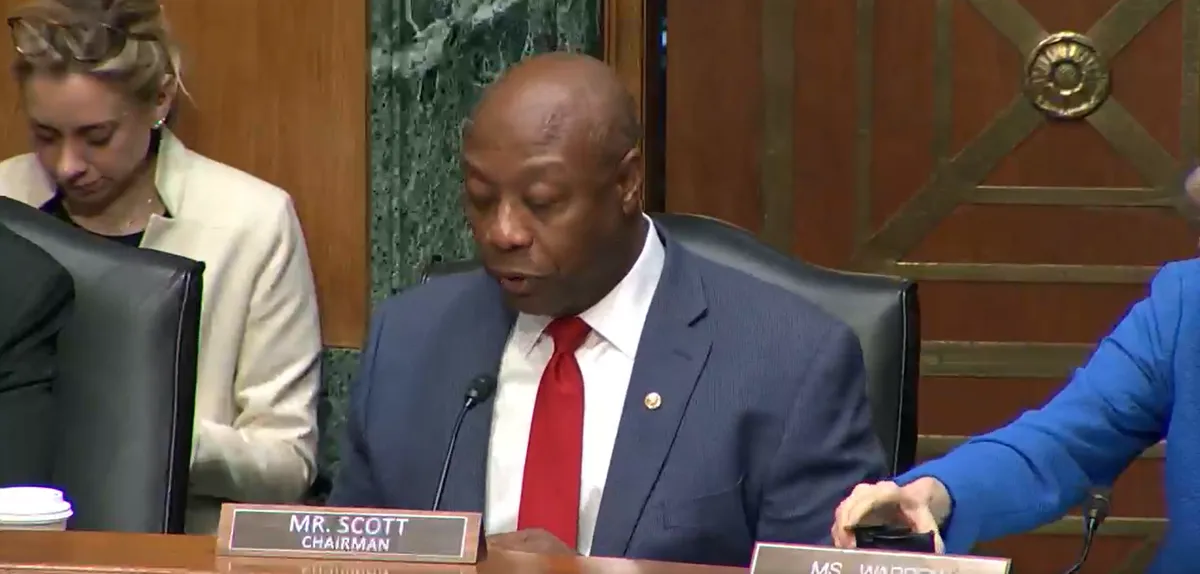
The US Senate's long-awaited crypto market structure bill may not reach a floor vote until August, according to NYDIG head of research Greg Cipolaro, who warned the legislation risks stalling entirely if it slips past the pre-midterm window. The bill cleared a Senate Banking Committee markup on Thursday along largely partisan lines, but still needs 60 votes to overcome a filibuster — meaning at least seven Democrats must sign on. White House crypto adviser Patrick Witt had targeted July 4, but Cipolaro called that aspirational. With Congress in recess from late July through early September and a tight Senate map ahead, a Democratic chamber flip could shelve the Republican-backed framework entirely.
KuCoin is sharpening its Australian footprint with the rollout of KuCard, a virtual crypto debit card issued in partnership with Mastercard that lets users spend USDC across the card network's global merchant base. The launch supports 37 USDC trading pairs at debut and follows the exchange's November 2025 registration with AUSTRAC as a digital currency exchange, which placed it under formal nationwide oversight. Australia Managing Director James Pinch framed the expansion as an evolution rather than entry, citing research that roughly 22% of Australians now hold digital assets. A new Sydney CBD office and deeper compliance investment underscore the regulated push into a market of 20 million-plus adult consumers.
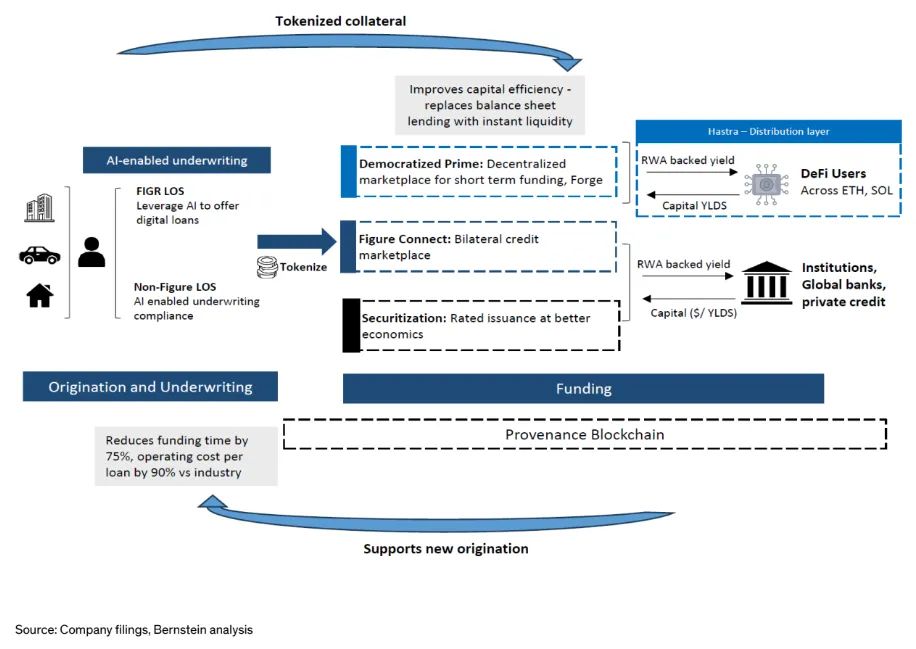
Figure Technology Solutions is being repositioned by Bernstein analysts as a structurally distinct blockchain capital markets platform after a first-quarter earnings beat on both revenue and EBITDA. The fintech tokenizes real-world credit assets — including home equity lines — into blockchain-native instruments that can be financed and traded through its Forge platform, which converts whole loans into single-dollar liquid participation units. Bernstein expects FIGR shares to track live on-chain loan volume in near real time and forecast a record second quarter based on current data. Executive chairman Mike Cagney described AI as the brain and blockchain as the nervous system underpinning the firm's underwriting stack.
Tokenized real-world assets have ballooned from roughly $100 million in 2021 to more than $60 billion today, a jump that has drawn major asset managers including BlackRock and Franklin Templeton onchain through tokenized US Treasury funds. Dollar-backed stablecoins remain the largest RWA category at over $300 billion, followed by tokenized gold led by Tether Gold, private credit portfolios from non-bank lenders, and tokenized equities from issuers such as Ondo Finance and Backed Finance. Real estate and private equity remain smaller but fast-growing slices. BlackRock chief executive Larry Fink has predicted that all markets will eventually migrate toward tokenization, expanding the investable universe beyond traditional listed securities.
Pre-IPO perpetual futures had a breakout moment after TradeXYZ, a decentralized exchange built on Hyperliquid, launched a Cerebras market that priced the AI chipmaker at roughly $340 just one hour before its Nasdaq debut — only about 3% below the $350 opening print. Cerebras itself priced its IPO at $185 per share, and the on-chain market closely tracked secondary venues such as Hiive in the run-up. With SpaceX's listing increasingly anticipated, traders and venues are eyeing pre-IPO perps as the next frontier for price discovery on private companies, offering 24/7 markets and synthetic exposure to names previously inaccessible outside accredited secondary platforms or late-stage funds.
Olena Oblamska, a Ukrainian national accused of co-founding the Forsage investment platform, was extradited from Thailand and pleaded not guilty in Portland, Oregon, becoming the first of four co-defendants to face a US courtroom in the $340 million alleged Ponzi case. The 42-year-old, also known online as Lola Ferrari, was arraigned May 11 on a conspiracy to commit wire fraud charge and detained pending a four-day jury trial set for July 14. Prosecutors say Forsage launched in January 2020 on Ethereum, BNB Smart Chain and Tron, routing investor funds to earlier participants via smart contracts. Justice Department analytics indicate over 80% of Ethereum investors received less than they deposited.
The week's news threads through a single arc: crypto is being absorbed into regulated financial infrastructure, but the pace and the politics remain unsettled. Washington wrestles with a market structure framework whose timing now depends on midterm math, while jurisdictions such as Australia advance compliant card rails that link stablecoins to mainstream payments. Tokenized credit, treasuries, and equities continue pulling balance-sheet finance onchain, and pre-IPO perps extend price discovery to private markets. Against that institutional drumbeat, enforcement actions like the Forsage extradition signal regulators' parallel cleanup of legacy fraud — a reminder that maturation and accountability are advancing together rather than sequentially.
AI-generated, AI-reviewed, under COINOTAG editorial oversight.