

Stablecore Joins Jack Henry: Stablecoins for Banks
Stablecore Jack Henry integration brings stablecoins, BTC on-ramps, and tokenized assets to banks. BTC technical analysis: 64.590 USD, strong support levels. In

The digital asset infrastructure company Stablecore has joined the Jack Henry Fintech Integration Network, enabling approximately 1,670 US banks and credit unions on the platform to offer stablecoin and tokenized asset services through their existing systems. Jack Henry provides core processing and digital banking technologies; the Banno Digital Platform supports online and mobile banking services for over 1,000 institutions. The integration connects blockchain-based products to traditional core banking infrastructure.
Stablecore-Jack Henry Integration: Stablecoin Entry into Bank Systems
Participating institutions will be able to offer stablecoin accounts with 24/7 payment features, crypto on-ramps and off-ramps for assets like BTC detailed analysis, digital asset collateralized loans, tokenized deposits, and staking services where permitted. These services are integrated into existing banking applications, reducing dependence on independent wallets or external crypto platforms.
Stablecore's Funding Success and GENIUS Act Impact
Stablecore raised $20 million last year to develop stablecoin infrastructure for small banks following the GENIUS Act. This step accelerates the integration of traditional finance (TradFi) into the crypto ecosystem. The integration allows banks to adopt blockchain innovation while maintaining compliance standards.
Similar Developments in the Sector: Stablecoin Payment Revolution
Recent developments include Modern Treasury's stablecoin-supported payment service with Paxos, Fidelity Investments' launch of the Fidelity Digital Dollar stablecoin, and Citigroup's local stablecoin plans. This trend is increasing institutional demand despite the stablecoin market cap plateauing around $300 billion in recent months.
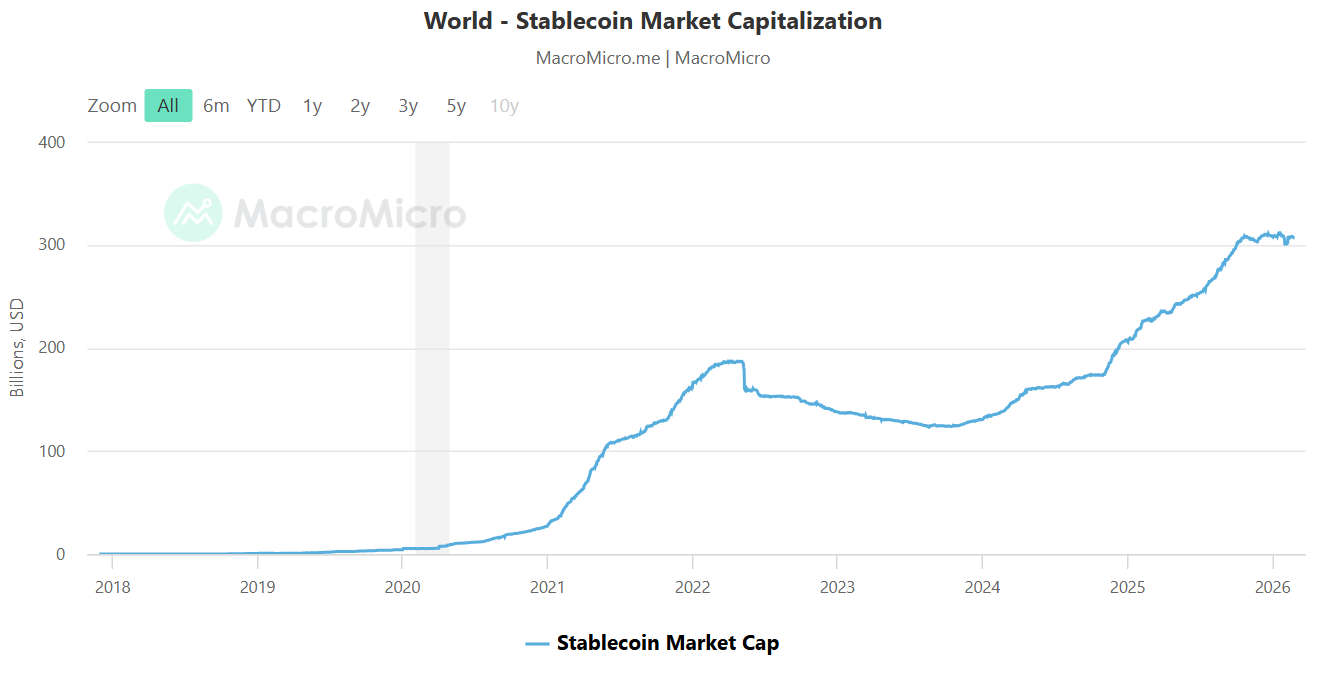
After a period of explosive growth, stablecoin issuance has plateaued in recent months, hovering just above $300 billion. Source: MacroMicro
BTC Technical Analysis: Current Support and Resistance Levels
BTC price as of February 23, 2026, stands at 64.590,21 USD, down -4,22% in the last 24 hours. RSI 32,19 (oversold), overall trend downward. Below is the BTC support/resistance table:
| Level | Price (USD) | Score | Distance | Sources |
|---|---|---|---|---|
| S1 (Strong Support) | 64.323,39 | 73/100 ⭐ | -1,12% | Fibo 0.114, MACD Cross, BB Lower |
| S2 (Strong Support) | 60.014,02 | 71/100 ⭐ | -7,75% | S3 |
| R1 (Strong Resistance) | 65.629,87 | 70/100 ⭐ | +0,89% | Pivot, Fibo 0.214 |
| R2 (Strong Resistance) | 68.204,04 | 68/100 ⭐ | +4,84% | Fibo 0 |
If it fails to hold above EMA 20: 70.140,97, the bearish Supertrend will continue. Be cautious with BTC futures.
Institutional BTC Holders: Net Holding and Bitdeer Developments
With the Stablecore integration enabling banks to offer BTC ramps, institutional purchases are accelerating. Turkish Net Holding (NTHOL.IS) ranks as the 74th largest institutional holder with 352 BTC. Bitdeer zeroed out its BTC holdings on February 20 (from ~2,000 BTC at year-end). Saylor's MicroStrategy continues buying BTC through preferred stock sales. This indicates that bank integrations could boost BTC demand.
Stablecore Integration's BTC and Market Impacts
Access for 1,670 banks will increase liquidity for tokenized assets. Related coins like JST may also experience volatility via the TradFi bridge. Investors should monitor the S1 support; if broken, there's a risk of decline toward S2.
Related Tags

AI-generated, AI-reviewed, under COINOTAG editorial oversight.