

Trump Orders Fed Crypto Rails Review; Aptos Stakes $50M, Bunq Hits €100M
Trump's executive order asks the Fed to review crypto firms' payment rails access as Aptos commits $50M and MiCA, VARA frameworks anchor global regulation.


Digital-asset neobanking has crossed a threshold this cycle, with a fresh institutional shortlist naming eight licensed firms that now blend checking accounts, debit cards and direct deposit with native crypto rails inside a single app. Amsterdam-based Bunq leads the European cohort with more than 17 million users across 30 EEA countries and a 2024 net profit of €85.3 million, up 65% year over year. After launching Bunq Crypto with Kraken in April 2025, first-year trading volume crossed €100 million. In the United States, Cash App reported 59 million monthly active users and 9.3 million primary banking customers in Q4 2025, alongside $316 billion in total inflows and an expanded Bitkey cold wallet for self-custody.
A parallel shortlist of ten jurisdiction-level regimes underlines how regulation is now the primary battleground for institutional adoption. The European Union's Markets in Crypto-Assets Regulation has harmonised licensing across member states, introducing CASP passporting, stablecoin reserve rules, market-abuse controls and Travel Rule integration through ESMA and the EBA. Dubai's Virtual Assets Regulatory Authority has stood up a standalone regime covering exchange, custody, lending and payments outside the DIFC. Brazil's central bank has built the country's first comprehensive blockchain framework, pulling stablecoin transfers into its foreign-exchange regime. In Washington, the proposed CLARITY Act would establish a federal market-structure law dividing SEC and CFTC jurisdiction.
Layer-1 and layer-2 foundations are deploying record sums to bootstrap developer activity.  Aptos (APT) Foundation announced a $50 million Markets and Machines commitment on May 7, 2026, targeting on-chain markets, AI agents and trading infrastructure; its Decibel perpetuals DEX passed $1 billion in cumulative volume after a February 2026 mainnet launch. Arbitrum's Trailblazer AI grant programme has onboarded projects including Allora, Eternal AI, Hyperbolic and Eliza on a $2 million budget, with Vibekit tooling now integrated with Pendle, GMX, Aave and Camelot across DeFi. Avalanche's Retro9000 retroactive programme has earmarked up to $40 million plus a $2 million referral pool, distributing more than $1 million to nineteen Cohort 1 grantees.
A White House executive order signed Tuesday directed federal regulators to integrate digital assets and innovative technology into traditional payment systems within a six-month window. The order instructs agency heads to identify rules that unduly impede fintech firms from entering into partnerships with federally regulated institutions inside the next three months. Critically, it asks the Federal Reserve Board to revisit how uninsured depository institutions and non-bank firms access payment accounts, and pushes the twelve regional Reserve banks to consider granting master accounts independently of the Board. The provision could directly benefit Wyoming special purpose depository institutions and similar charters that have been kept in regulatory limbo.
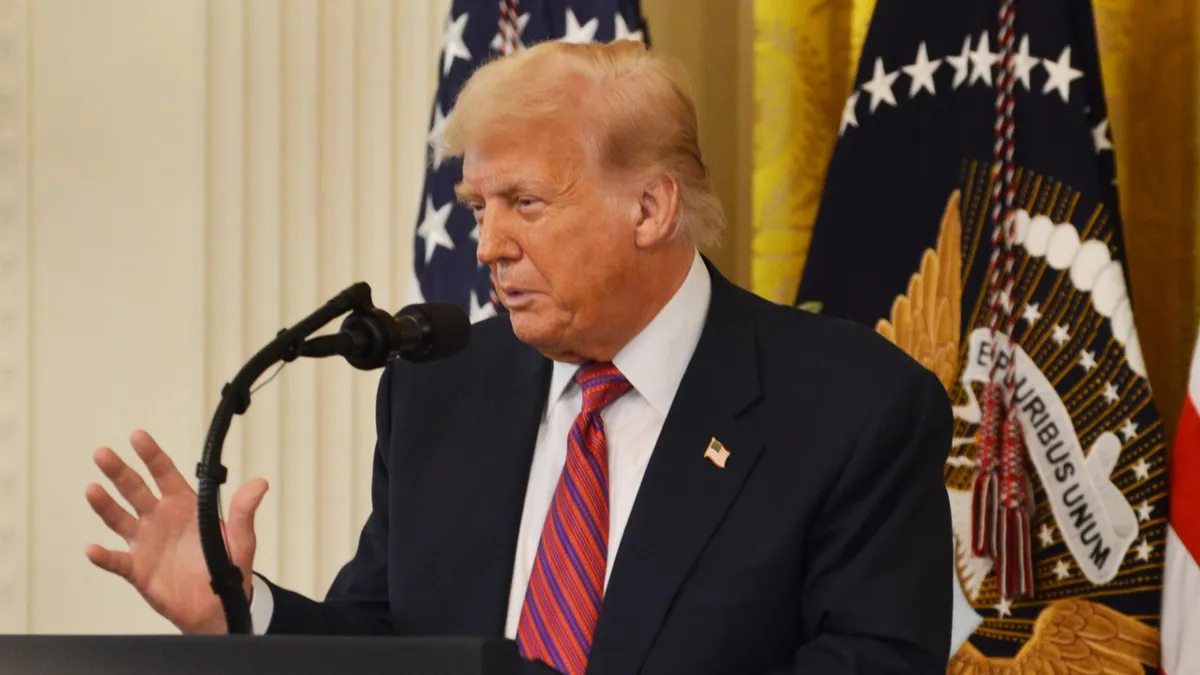
A second order signed the same day tightens the Bank Secrecy Act around undocumented workers and off-the-books payment channels. The Treasury Department was directed to examine the strategic misuse of unregistered money services businesses, third-party payment processors and peer-to-peer platforms for wage transfers designed to bypass reporting thresholds. While framed around immigration enforcement, the language carries direct implications for crypto-adjacent payment services, custodial wallets and stablecoin transfer rails. Compliance teams at major exchanges are already reviewing onboarding and transaction-monitoring controls. The order signals that the same administration easing institutional access to Fed plumbing is simultaneously hardening anti-money-laundering perimeter requirements at the retail edge.
The Fed master account question has become a central institutional unlock. The Federal Reserve Bank of Kansas City earlier this year granted Kraken, a Wyoming SPDI, a limited form of master account access, setting a precedent that several state-chartered crypto banks have lined up behind. A formal skinny master account framework proposed by the Fed last December would codify that pathway for a wider set of firms. Combined with the new executive order's six-month review window, the structure could deliver settlement-layer parity for compliant crypto institutions for the first time. Custodians, stablecoin issuers and on-chain payment processors stand to benefit most if regional Reserve banks act independently.
The dominant arc this cycle is integration on regulators' terms. Washington is lowering barriers to the Fed payment stack while tightening the AML perimeter; Brussels, Dubai and Brasília are codifying licensing and reserve rules that institutional capital can actually underwrite; and chain foundations are funnelling hundreds of millions into developer rails to occupy the infrastructure layer before legacy fintech does. Neobanks like Bunq and Cash App are the consumer-facing wedge, embedding Bitcoin and broader crypto products into checking accounts and card programs under bank charters. The narrative is no longer adoption versus regulation — it is which jurisdictions and which charter holders capture the next decade of digital-asset settlement flows.
AI-generated, AI-reviewed, under COINOTAG editorial oversight.