

FCA Warns UK Soccer Clubs on Crypto Sponsors, Silver Slides $48M, Tangem Hits 200 Best Buy Stores
FCA warns UK soccer clubs on crypto sponsors, silver loses $48M in longs, banks fight stablecoin yield, Tangem hits 200 Best Buy stores, DeFi security gaps…
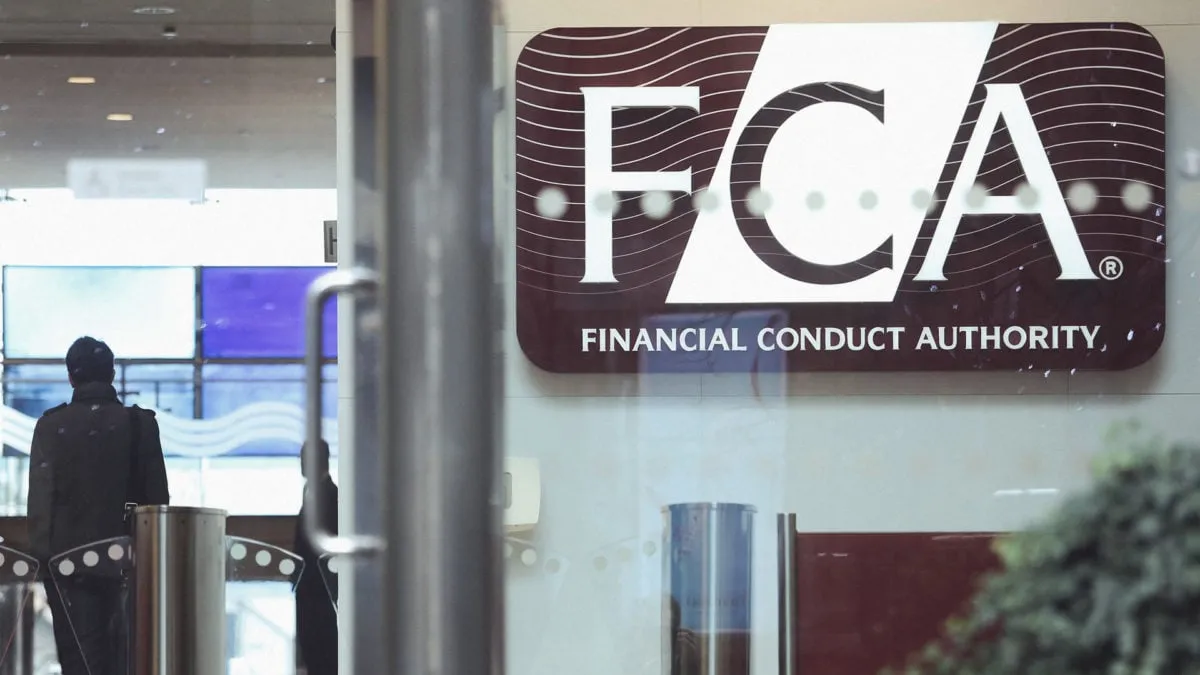
The UK's Financial Conduct Authority has formally cautioned Premier League and lower-tier soccer clubs over sponsorship arrangements with unauthorized crypto firms, escalating regulatory pressure on a lucrative but loosely policed revenue stream. In a letter circulated this week, the FCA instructed clubs to verify the origin of sponsorship funds, assess financial-crime exposure and weigh reputational damage from deals with platforms operating outside the UK perimeter. The watchdog warned that money received from unauthorized firms could qualify as criminal property under the Proceeds of Crime Act, and confirmed it has already engaged specific clubs privately. The move signals a broader crackdown on consumer-facing crypto marketing through sport, with enforcement action explicitly left on the table.
Silver has shed roughly $48 million in speculative length as bull-market positioning fades and Middle East tension lifts crude. The metal trades near $74, well below January's record close to $121, with COMEX Commitments of Traders data showing non-commercial accounts cut longs by 1,833 contracts and added 615 fresh shorts in the May 26 reporting period. Total open interest still rose by 993 to 101,744, indicating repositioning rather than capitulation. Iran's renewed threat to close the Strait of Hormuz pushed crude over 2% higher, weakening silver's historical inverse correlation with oil. Large-bank desks remain cautious on the metal until 2025's froth fully unwinds.
Traditional finance executives say decentralized lending and trading will remain niche until DeFi closes its security gap, particularly around cross-chain bridges. April set a grim benchmark, with breaches reported on 27 of 30 days; Drift Protocol and Kelp DAO alone lost close to $600 million to North Korean exploit crews. Speaking at the Proof of Talk summit in Paris, panelists from OGroup, Solstice and Societe Generale Forge said banks are eager to deploy blockchain rails for back-office settlement but cannot underwrite open, non-custodial protocols at scale. SG-Forge's response has been to anchor regulated stablecoins like EURCV and USDCV directly to its tokenized bond and structured-product issuance.
The American Bankers Association has weaponized fresh polling against the stablecoin provisions of the Digital Asset Market Clarity Act, claiming 57% of respondents want Congress to block crypto firms from paying anything resembling deposit interest if it threatens community lending. The Morning Consult survey of 2,000 adults, commissioned to support eleventh-hour lobbying in Washington, framed questions around assumed deposit-flight risks. Yet the same poll showed 30% of respondents likely to buy or use digital assets within twelve months and 24% identifying meaningful benefits from stablecoins. The Clarity Act already prohibits yield on static holdings but permits credit-card-style rewards for active use of tokens.
The institutional plumbing of digital assets has consolidated dramatically over the past year, with twenty firms shortlisted across asset management, trading infrastructure, custody, liquidity and analytics ahead of awards announced at Proof of Talk on June 2. BlackRock's IBIT remains the benchmark spot-Bitcoin product while BUIDL leads tokenized money-market funds; FalconX absorbed 21Shares in November 2025, folding 55 listed products and over $11 billion in AUM into its prime brokerage stack. Ripple's $1.25 billion Hidden Road acquisition created a crypto-owned multi-asset prime broker clearing roughly $3 trillion annually, while Talos closed a $45 million Series B extension at a $1.5 billion valuation.
Self-custody hardware is finally reaching mainstream electronics shelves: Best Buy has begun stocking Tangem's NFC card and ceramic ring wallets across more than 200 US stores, marking the Swiss firm's largest domestic retail push yet. The expansion adds to existing Walmart and Amazon distribution and lands as exchange theft hit $3.4 billion in 2025, including the $1.5 billion Bybit breach. Roughly 158,000 individual cold-wallet compromises were also recorded last year. Analysts at Mordor Intelligence value the hardware-wallet market near $720 million in 2026, projecting growth to $2.25 billion by 2031 as retail buyers absorb most of the demand.
Taken together, these stories sketch a single arc: 2026's crypto cycle is being defined less by speculative price action than by the slow, contested institutionalization of the asset class. Regulators in London are policing the marketing layer, lobbyists in Washington are fighting over deposit economics, and Paris-based bankers are drawing red lines around DeFi security. Meanwhile, prime brokers, ETF issuers and hardware makers are quietly building the rails that make crypto investable for both pension funds and individual savers. The dominant narrative is regulatory tightening paired with infrastructure maturation — a maturing market trading volatility for legitimacy.
AI-generated, AI-reviewed, under COINOTAG editorial oversight.