

Musk Locks 100% SpaceX Shares 366 Days, US Sanctions Nobitex, Crypto PACs Drop $7M
SpaceX sets June 12 debut as Musk locks 100% of shares 366 days. Treasury sanctions Nobitex amid $1B seized. Crypto PACs deploy $7M in US primaries.
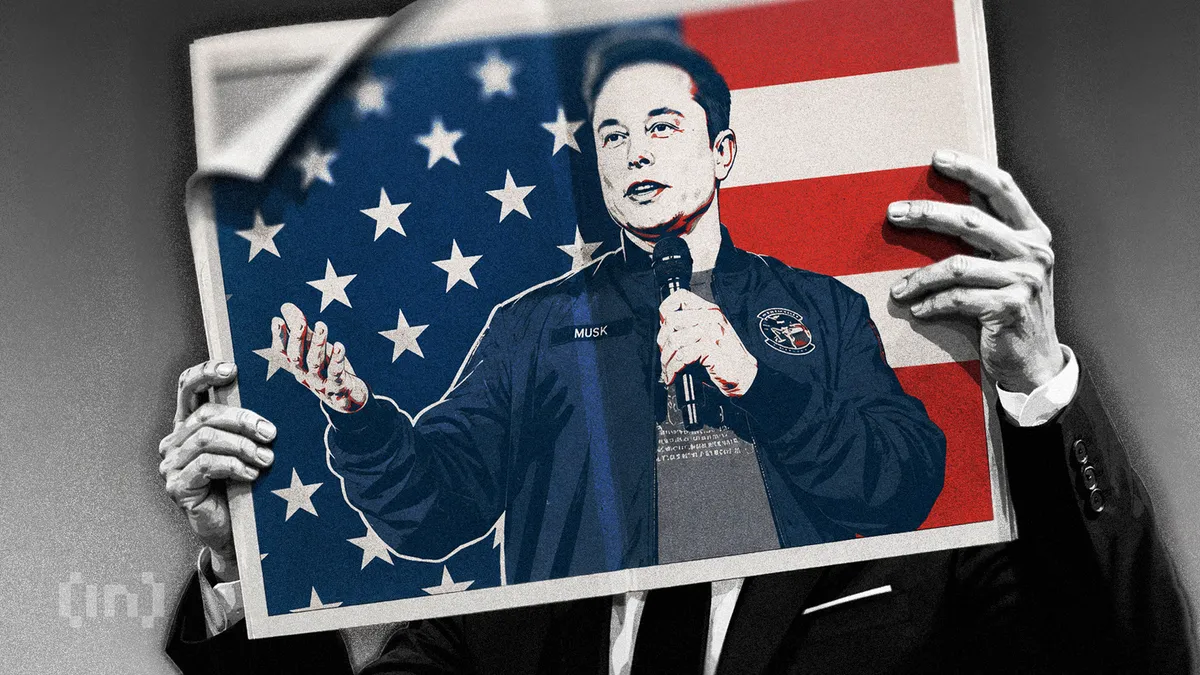
SpaceX is preparing for a Nasdaq debut under the ticker SPCX as early as June 12, following the company's S-1 filing with the SEC on May 20. Elon Musk has agreed to lock the entirety of his SpaceX holdings for 366 days, an unusually severe commitment intended to signal long-term alignment with incoming public shareholders. The arrangement has already reshaped how cryptocurrency venues structure pre-listing exposure. Accredited investors can access genuine shares through Forge Global and EquityZen at an implied $1.75 trillion valuation, while non-accredited traders remain blocked from direct ownership. The 366-day cliff also prevents any insider supply from hitting tape during the first year of trading.
Major cryptocurrency exchanges have raced to list synthetic SPCX perpetual contracts ahead of the listing. Hyperliquid, a leading on-chain perpetuals decentralized exchange, alongside Binance, OKX, Bitget, and BingX, each run their own variant, blending private tender offers, mention-weighted public-company proxies, and prediction-market midpoints from Polymarket and Kalshi to construct an oracle price. Funding payments nudge contracts back toward that anchor whenever traders stretch the gap too wide. Because no live public market for SPCX yet exists, the design leaves these synthetic instruments exposed to oracle disputes and forced unwinds, but for retail buyers they remain the only liquid venue for directional positioning.
The US Treasury's Office of Foreign Asset Control on Tuesday designated four of Iran's largest cryptocurrency exchanges — Nobitex, Wallex, Bitpin, and Ramzinex — along with several of their executives, adding all to the Specially Designated Nationals list. The blacklisting bars any US persons or dollar-denominated financial channels from servicing the platforms. Treasury linked the action to Nobitex's alleged role in financing Iranian terrorist activity, sanctions evasion, and Islamic Revolutionary Guard Corps-linked transactions, including ransomware proceeds. Officials also accused the platform of helping move Bitcoin and other assets out of Iran after US airstrikes began earlier this year, escalating Washington's pressure campaign during active conflict.
The sanctions package landed days after Treasury Secretary Scott Bessent disclosed that his department has seized roughly $1 billion in cryptocurrency from Iranian exchanges and wallets since hostilities began. Bessent framed the figure as evidence that maximum-pressure tactics are forcing Tehran to absorb compounding damage as it leans on digital assets to evade dollar restrictions. The seizures, combined with the new exchange designations, effectively sever a major remaining liquidity channel for Iranian state actors. They also signal that Washington views the broader blockchain stack — exchanges, custodial wallets, and stablecoin rails — as legitimate targets for wartime financial enforcement rather than neutral infrastructure.
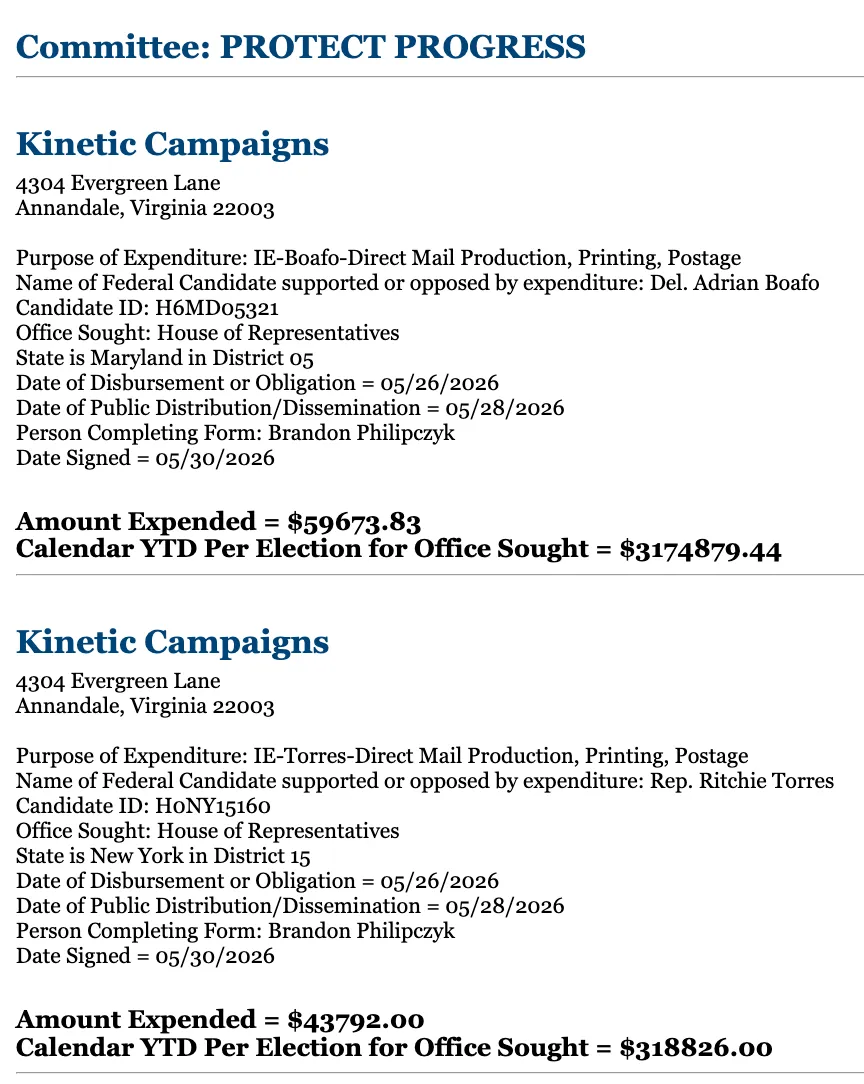
Cryptocurrency-aligned political action committees have committed nearly $7 million to influence the next round of US congressional primaries. Protect Progress, the Fairshake affiliate backed by Coinbase and Ripple, spent roughly $3 million supporting Democratic House candidates in California and New Jersey ahead of Tuesday's vote, while another $3.1 million is flowing to Adrian Boafo's campaign in Maryland's 5th district before the state's June 23 primary. A separate $320,000 targets Representative Ritchie Torres's reelection in New York. Defend American Jobs added $411,000 behind Republican Senator Mike Rounds in South Dakota. Fairshake reports a war chest exceeding $193 million entering this cycle's DeFi-funded campaigns.
Lawmakers in the US Senate have formally added the Digital Asset Market Clarity Act, known as CLARITY, to the chamber's legislative calendar following passage through both the Agriculture and Banking Committees earlier this year. The bill would define jurisdictional boundaries between the SEC and CFTC for digital asset markets and establish a registration pathway for cryptocurrency intermediaries. Industry advocates view the floor vote as the most consequential market-structure decision of the cycle, with Senator Cynthia Lummis warning that failure would cede rulemaking influence to Beijing. Concurrent advocacy spending and the calendar placement suggest a coordinated push to secure the framework before the August recess.
Three pressure points are now converging in the same week: geopolitical financial warfare, US legislative timing, and a marquee equity listing reshaped by crypto-native price discovery. Treasury's sanctions on Iran's largest exchanges underscore that digital asset infrastructure has become a primary node of state-on-state economic conflict. Domestically, an unprecedented political war chest is being deployed to lock in market-structure rules before the cycle's window closes. And the SpaceX perpetuals show how derivatives venues now front-run traditional capital markets in pricing major listings. Together, these threads point to one narrative: cryptocurrency rails are no longer ancillary to global finance — they are the venue.
AI-generated, AI-reviewed, under COINOTAG editorial oversight.