

OKX Pours $53M Into Coinone, Paxos Wins SEC Clearing Nod, Bessent Reaffirms No-CBDC Stance
OKX invests $53M in Coinone, Paxos wins SEC clearing agency status, Bessent rules out a CBDC, Gemini launches Grok-powered prediction feed.
OKX Ventures, the investment arm of the global exchange operator OKX, has agreed to acquire a 19.6% stake in South Korean crypto exchange Coinone for KRW 80 billion, or roughly $53 million. Korea Investment & Securities will commit an identical sum on the same terms, lifting the combined transaction value to about $106 million pending regulatory sign-off. The deal blends secondary share purchases from existing holders with newly issued equity, leaving Coinone CEO Cha Myunghun as the largest shareholder at 27.8% while Com2uS Holdings retains 25%. OKX and KIS will become joint third-largest investors as Coinone pivots toward stablecoins and tokenized securities.

The Coinone transaction caps an aggressive month of institutional capital flowing into Korea's regulated crypto venues. Three Samsung subsidiaries disclosed a combined $408 million injection into Upbit operator Dunamu for a 4% stake on Thursday, while Mirae Asset earlier moved to take 92% of rival exchange Korbit. KB Kookmin, Shinhan and NHN KCP have separately partnered with the Solana and Avalanche networks to pilot tokenized deposit and stablecoin rails. Senior OKX executives framed the Coinone tie-up as a bet on compliant infrastructure, signalling that Seoul's strict licensing regime is now viewed as a competitive moat rather than a barrier to entry.
Stablecoin issuer Paxos has secured registration as a clearing agency from the U.S. Securities and Exchange Commission, becoming the first blockchain-native firm cleared to operate as a central securities depository. The approval, granted to subsidiary Paxos Securities Settlement Company, capped seven years of dialogue with the SEC beginning with a 2019 no-action letter and a 2020 equities settlement pilot. CEO Charles Cascarilla called the registration a critical bridge between distributed-ledger infrastructure and traditional capital markets. The clearance opens a path for banks and brokerages to plug into tokenized settlement rails capable of same-day finality without violating existing securities law.
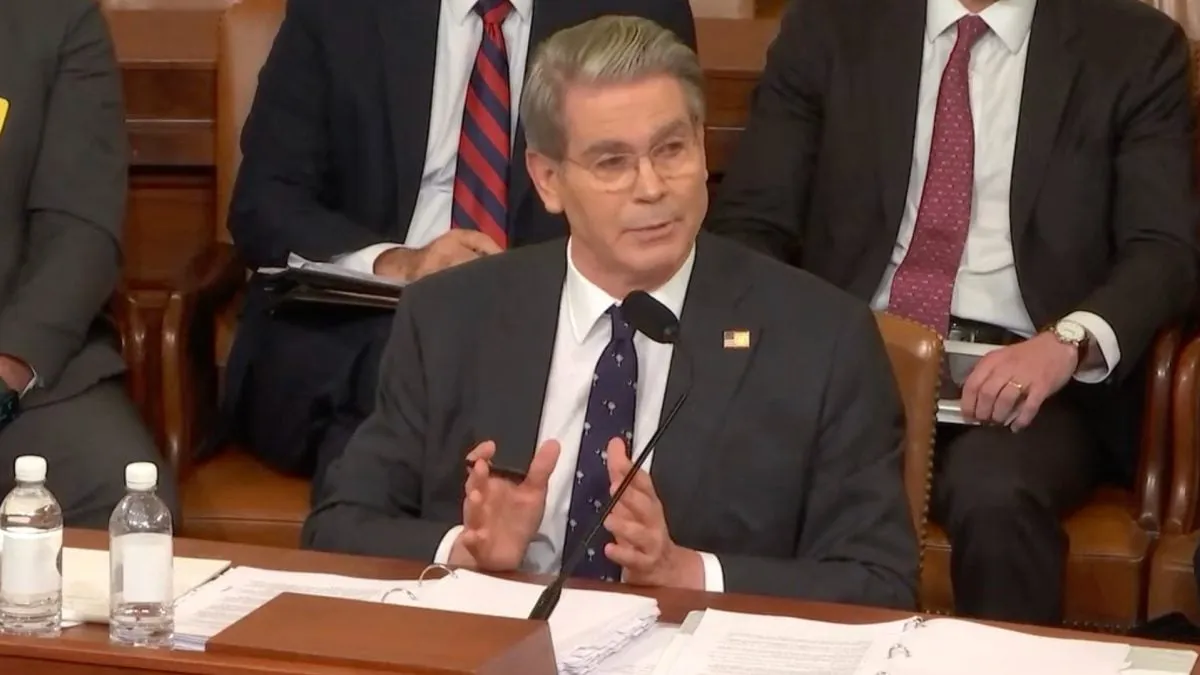
Treasury Secretary Scott Bessent reaffirmed at a White House briefing that the Trump administration will not pursue a central bank digital currency, calling such an instrument a likely first step toward government tracking of citizens' transactions. Bessent urged the House and Senate to move the Clarity Act across the finish line, arguing that legislative certainty is needed to pull digital-asset activity onshore. The GENIUS stablecoin framework, already approved with bipartisan backing, and the Clarity bill that cleared the Senate Banking Committee earlier this month are now central planks of the administration's strategy to position the United States as the dominant jurisdiction for tokenized finance.
Gemini has rolled out Command Center, an AI-driven personalized feed inside its prediction-markets product, built in collaboration with SpaceXAI and powered by Elon Musk's Grok model. The dashboard surfaces signals tied to a user's open positions, watchlists and prediction history across crypto, sports, commodities, politics and macro categories. Gemini's prediction unit generated only $400,000 in first-quarter revenue from roughly 20,000 users, trailing Kalshi and Polymarket by a wide margin, but total Q1 revenue still rose 42% year over year to $50.3 million. The exchange is layering AI features on top of its agentic trading product to defend share during a broader volume slump.
Legal pressure on prediction-markets venues intensified as Kalshi filed suit against Minnesota over a freshly signed state ban, while the Commodity Futures Trading Commission joined a parallel intervention against Rhode Island officials. CFTC Chair Michael Selig argues that event contracts qualify as federally regulated swaps, placing them under the Commodity Exchange Act and the Constitution's Supremacy Clause rather than state gambling statutes. President Donald Trump publicly backed exclusive federal jurisdiction this week despite his son's advisory role at Kalshi and Polymarket. Conflicting lower-court rulings now point toward a likely Supreme Court showdown over who polices on-chain wagering products.
Taken together, the day's headlines sketch a single arc: global capital, regulators and exchanges are racing to install compliant rails before the next leg of Bitcoin and altcoin adoption arrives. Korean conglomerates, OKX, Paxos and Gemini are each buying optionality on a regulated future, while Washington is hardening its anti-CBDC, pro-stablecoin stance and federal courts move to centralize oversight of prediction markets. The dominant narrative this cycle is no longer permissionless experimentation but institutional rotation into licensed venues, with sovereign policy choices and clearing-layer plumbing increasingly shaping where liquidity, talent and capital settle next.
Related Tags
AI-generated, AI-reviewed, under COINOTAG editorial oversight.