

Samsung Buys $408M Dunamu Stake, CFTC Reverses Gemini Case, Crypto Sheds $80B on Iran Strikes
Samsung affiliates buy 4% of Upbit operator Dunamu for $408M, the CFTC moves to vacate its Gemini settlement, and crypto sheds $80B on Iran strikes.
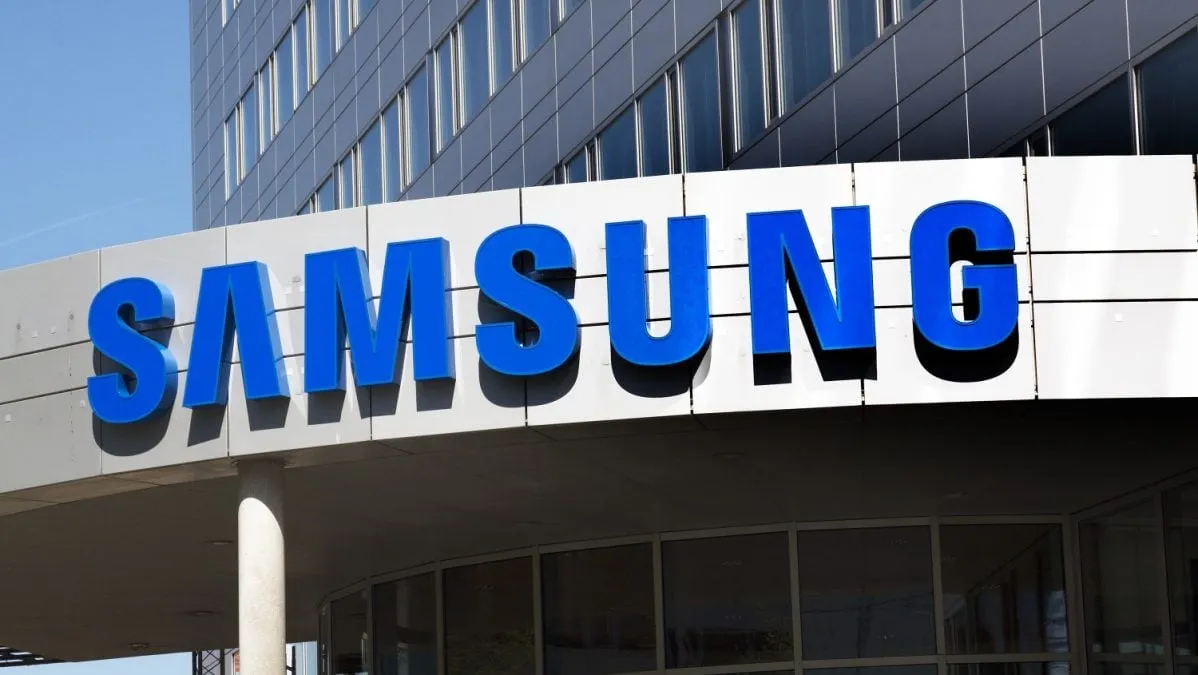
Three Samsung affiliates are taking a combined four percent stake in Dunamu, the operator of South Korea's largest crypto exchange Upbit, in a deal valued near 613 billion won, or roughly $408 million. Samsung Securities is acquiring two percent, while Samsung SDS and Samsung Card are each picking up one percent from previous holder Kakao. The partners plan to collaborate on tokenized securities, a digital asset payment ecosystem inside Samsung Card's Monimo app, and AI applications drawing on Dunamu's blockchain expertise, including its Ethereum Layer-2 network Giwa.
The Samsung purchase caps a frenzied May in Korean crypto dealmaking. Hana Financial Group's banking arm agreed on May 15 to buy 2.28 million Dunamu shares for about 1.003 trillion won, locking in a 6.55 percent holding worth around $669 million. Mirae Asset is acquiring a 92 percent stake in rival exchange Korbit, while KB Kookmin, Shinhan, and other major lenders are racing to roll out won-pegged stablecoins, tokenized securities, and on-chain settlement pilots. The buying spree is timed to the Digital Asset Basic Act, a comprehensive rulebook now taking shape in Seoul that will codify stablecoin issuance and broader market structure.
In Washington, the White House regulatory review office has begun examining a Commodity Futures Trading Commission proposal targeting prediction markets, a development that could reshape how Kalshi, Polymarket, and other event-contract venues operate. The proposed rule reached the Office of Information and Regulatory Affairs on May 26 under Executive Order 12866, following a March advance notice that asked whether contracts tied to elections, gaming, and sports should be deemed contrary to the public interest. The move arrives days after President Donald Trump publicly endorsed exclusive federal authority over the sector amid state-level legal challenges from Illinois, New Jersey, and others.
The CFTC and Gemini have jointly asked a Manhattan federal judge to vacate the agency's January 2025 consent order against the exchange, an extraordinary reversal of a Biden-era enforcement action. The agency now concedes the complaint, which accused Gemini of misleading statements about a Bitcoin futures contract, "should not have been filed" under current standards. Officials cited a non-credible whistleblower, suppressed evidence, and improper internal influence that pressured Gemini into a $5 million settlement. The motion follows the elevation of Michael Selig to CFTC chair after Trump withdrew earlier nominee Brian Quintenz.
Compliance benchmarking data points to a sharp tightening of industry standards. Nearly 47 percent of firms onboarded in 2026 are operating at alerting thresholds that would have placed them in the top ten percent of strictness in 2020. The maturation reflects both regulatory pressure and the scale of illicit activity, with North Korean-linked hackers alone responsible for an estimated $2 billion in losses last year. A meaningful gap persists in indirect monitoring, where flows pass through intermediary wallets — categories such as ransomware and darknet markets often carry trigger thresholds 10 to 20 times higher than direct exposure, a vulnerability that newer entrants and legacy DEX operators are now being pushed to close.
Prosecutors in the Southern District of New York unsealed charges against Google software engineer Michele Spagnuolo, accusing him of using internal company data to pocket $1.2 million on Polymarket. Between October and December 2025, an account named "AlphaRaccoon" placed roughly 25 bets totaling $2.7 million on contracts tied to Google's annual most-searched-people list. A parallel CFTC complaint alleges insider trading violations under the Commodity Exchange Act. Spagnuolo, an Italian citizen residing in Switzerland, was arrested in New York, released on a $2.25 million bond, and faces potential maximum sentences totaling fifty years across commodities fraud, wire fraud, and money laundering counts.
Geopolitics rapidly overrode every bullish narrative as fresh US military strikes on Iranian targets near the Strait of Hormuz wiped roughly $80 billion from crypto market capitalization within twenty-four hours. Bitcoin slid 3.5 percent to a six-and-a-half-week low near $72,646, while altcoin leader Ether broke beneath the psychological $2,000 mark to $1,976. WTI crude climbed 3.5 percent above $92 as Brent neared $98. The session underscored a recurring theme this cycle: institutional capital is flowing into regulated rails — Korean conglomerates, US prediction venues, compliance-first exchanges — while macro shocks still dominate short-term blockchain price action.
Related Tags
AI-generated, AI-reviewed, under COINOTAG editorial oversight.