

Vietnam Eyes Crypto-Backed SME Loans as Circle Freezes $12.6M, Bitcoin ETFs Bleed $3B
Vietnam proposes letting SMEs pledge crypto as loan collateral, Circle freezes $12.6M USDC linked to Zama, and spot Bitcoin ETFs log a record $3B outflow…


Vietnam's Ministry of Finance has put forward a proposal that would let small and medium-sized enterprises pledge digital assets, virtual assets and intellectual property as collateral against bank loans. The measure forms part of a draft revised Law on Support for SMEs now open for public consultation, and would expand acceptable security to include future-formed assets, property rights and intangible holdings. SMEs account for more than 98% of all enterprises in the country, yet capture roughly 20% of total bank credit. Officials attribute the gap to a shortage of eligible collateral, a constraint this reform aims to dismantle for technology-driven firms holding patents, software and tokenised assets.
Stablecoin issuer Circle has frozen roughly $12.6 million in USDC linked to the confidential USDC smart contract operated by privacy protocol Zama. The freeze, executed over the weekend, targeted balances connected to wallets associated with Overnight Finance, a DeFi protocol currently entangled in a civil court case. On-chain trackers note that the affected wallets had deposited roughly $12.4 million into Zama earlier in May after a governance vote on treasury distribution. The unilateral action has drawn scrutiny from privacy advocates, who argue that intervening at the contract level — where user funds are commingled — sets an aggressive precedent for centralised gatekeeping inside decentralised systems.
Spot Bitcoin exchange-traded funds in the United States have logged a record ten-day outflow streak, with cumulative redemptions approaching $3 billion. The persistent withdrawals mark the longest negative stretch since the products launched, signalling that institutional allocators are de-risking into year-end after months of accumulation. Asset managers, market makers and large registered investment advisers have all participated in the pullback, with no single issuer absorbing offsetting inflows. The slide has coincided with softer spot prices and weaker funding rates, reinforcing a narrative that the cohort which fuelled the prior leg of the bull market is now sitting on the sidelines.
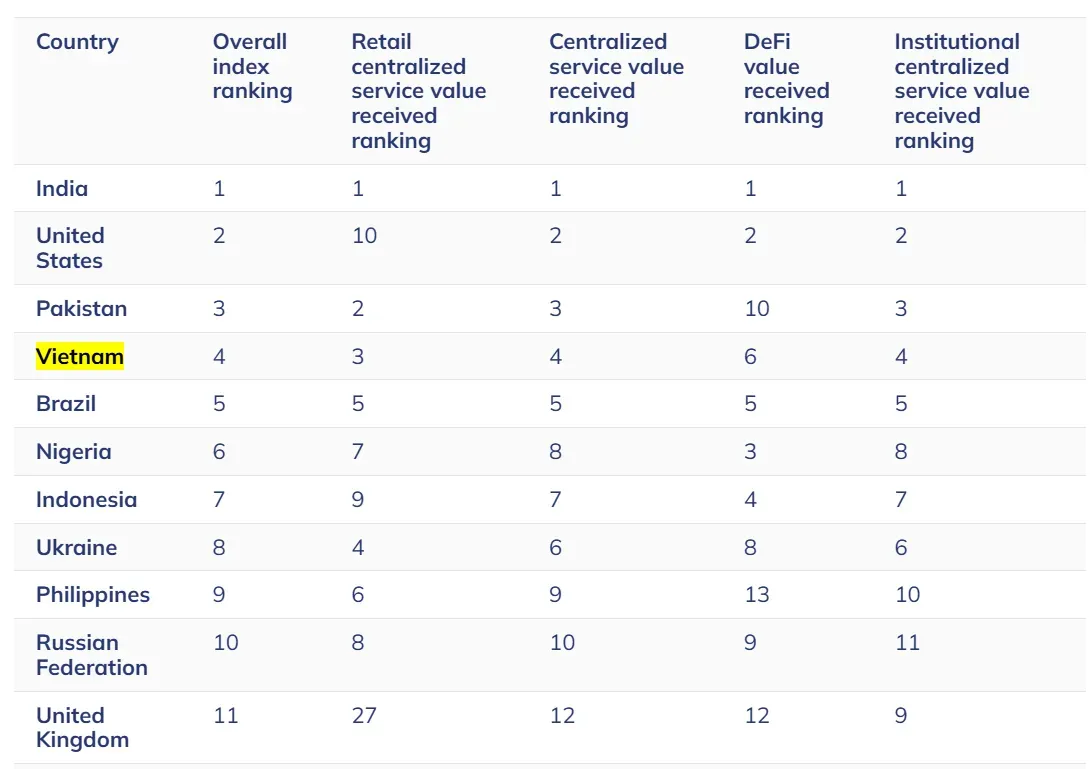
Vietnam's draft framework goes beyond collateral reform, pressing credit institutions to underwrite loans on the basis of credit ratings, business plans, cash flows and market potential rather than fixed assets alone. The text also bundles incentives for green and sustainable businesses, including preferential access to credit guarantees, concessional financing and interest-rate support for circular economy projects. Tax breaks tied to ESG reporting round out the package. The country already ranks fourth in global crypto adoption indices behind India, the United States and Pakistan, and authorities have signalled that a regulated domestic crypto market could open as early as the third quarter of 2026.

The Overnight Finance dispute that preceded Circle's freeze underscores the legal exposure now sitting underneath stablecoin rails. Token holders had alleged team mismanagement and approved a governance vote redistributing treasury balances, which were subsequently routed through Zama's confidential transfer contract. Because that contract pools deposits from unrelated users, Circle's intervention effectively impaired funds belonging to participants with no connection to the underlying civil case. Onchain analysts have flagged more than a dozen prior incidents in which the issuer froze addresses in contested circumstances, fuelling renewed debate over whether issuer-controlled allowlists are compatible with the blockchain-native composability that decentralised exchanges depend on.
Vietnam's policy direction lands at a moment when neighbouring jurisdictions are also racing to formalise digital-asset frameworks. Domestic regulators opened a regulatory sandbox earlier in the year, and Deputy Minister of Finance Nguyen Duc Chi has publicly committed to launching a supervised market venue by the third quarter. Foreign exchanges have begun lining up for licences, with several Korean operators pursuing local partnerships to qualify under the forthcoming regime. For startups holding tokenised treasuries or NFT-based IP, the collateral reform would unlock a credit channel that has been functionally closed, potentially seeding a new pipeline of crypto-collateralised lending products inside regulated banks.
Taken together, the day's developments capture a market caught between policy expansion at the sovereign level and tightening discretionary control at the issuer level. Vietnam is widening the perimeter of what counts as bankable collateral, while Circle's freeze and the relentless ETF redemptions show that gatekeepers — whether stablecoin issuers or institutional allocators — are willing to act decisively against perceived risk. The dominant arc is one of bifurcation: regulators are codifying onramps and credit channels, even as private capital and centralised issuers retreat from contested or volatile exposures. How that tension resolves will shape whether the next leg favours regulated rails or pushes activity back toward DeFi primitives.
AI-generated, AI-reviewed, under COINOTAG editorial oversight.